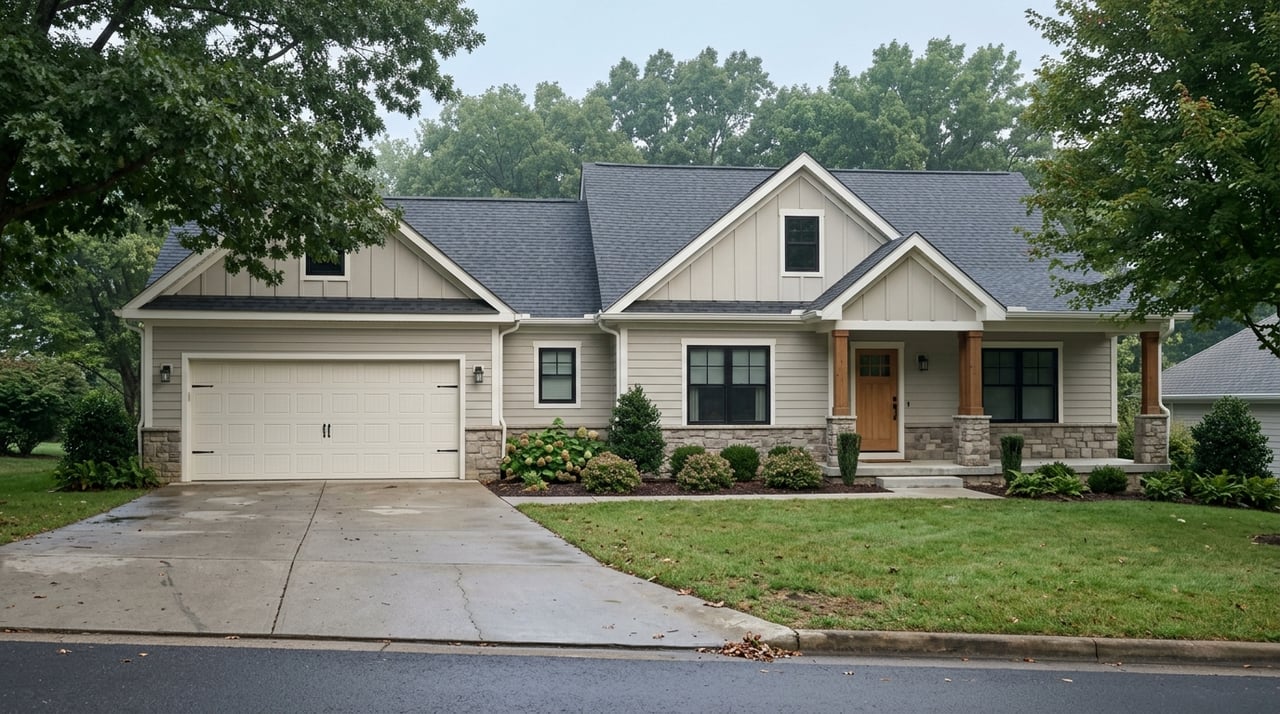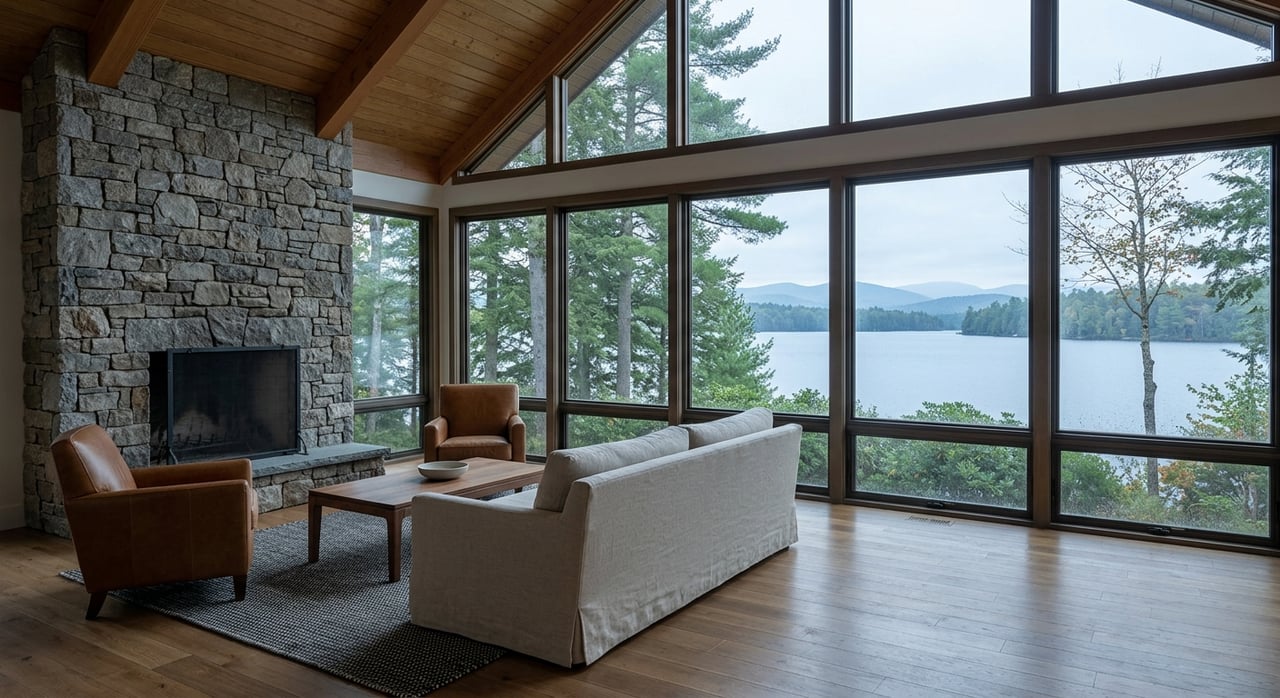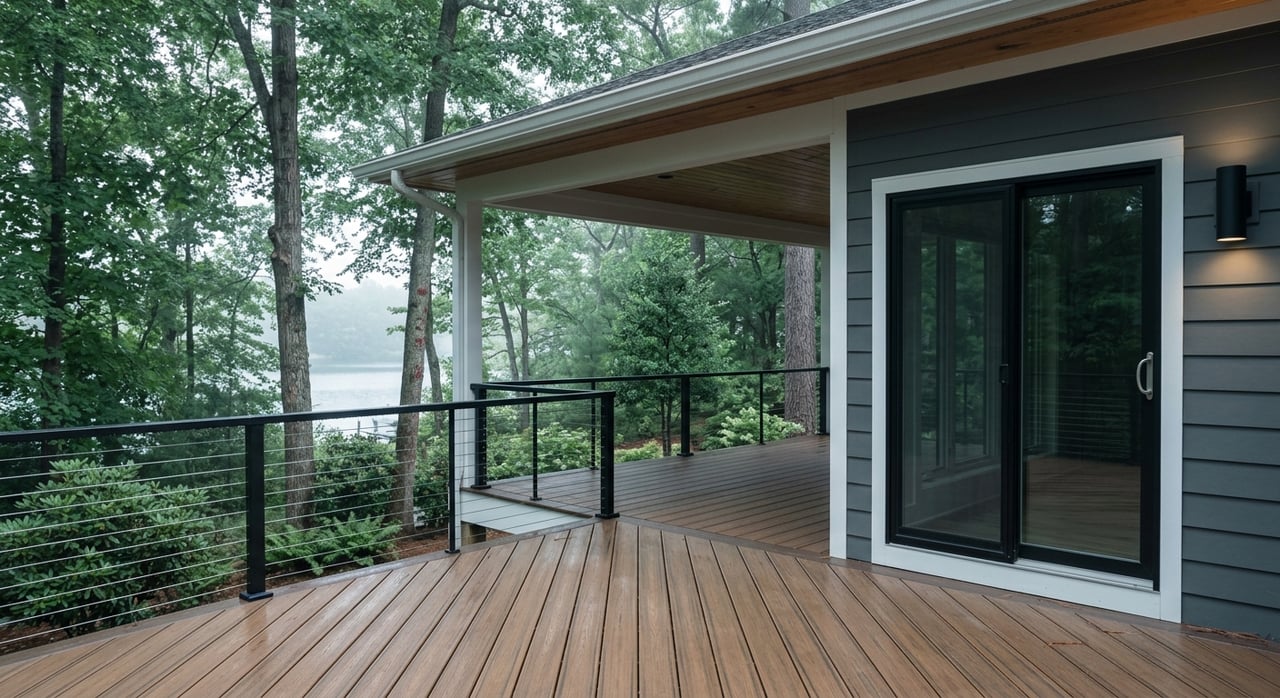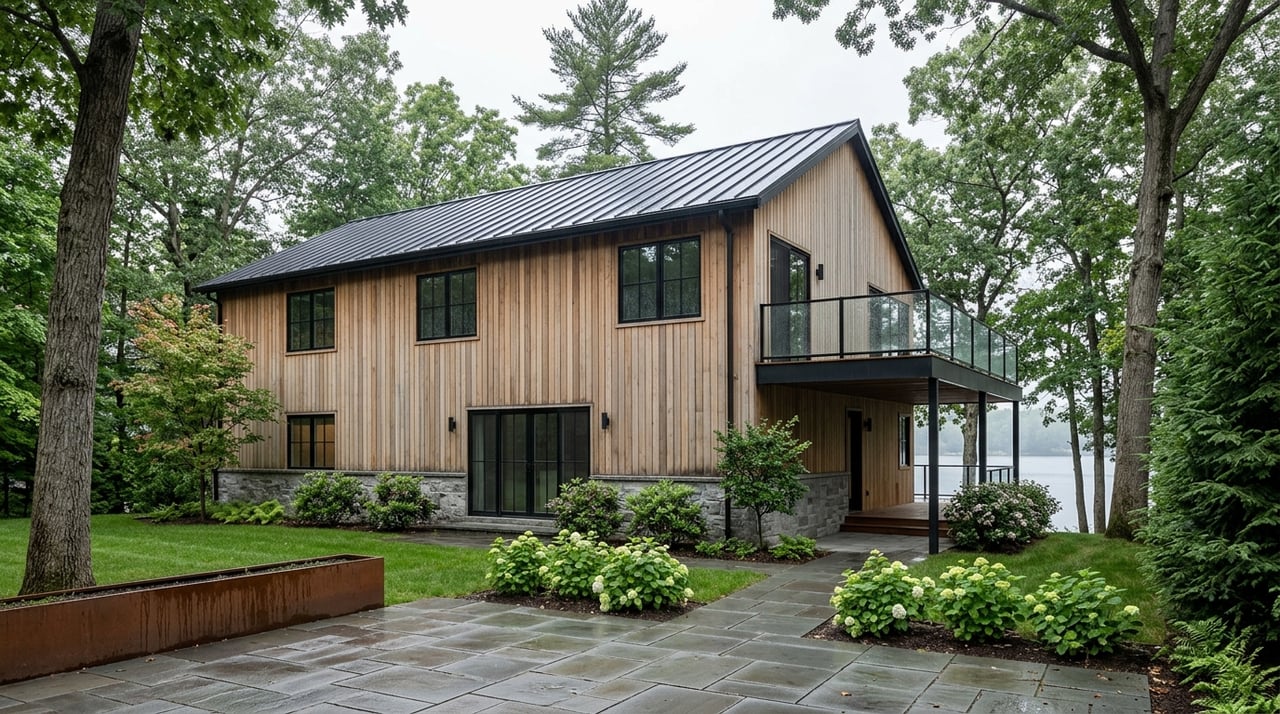
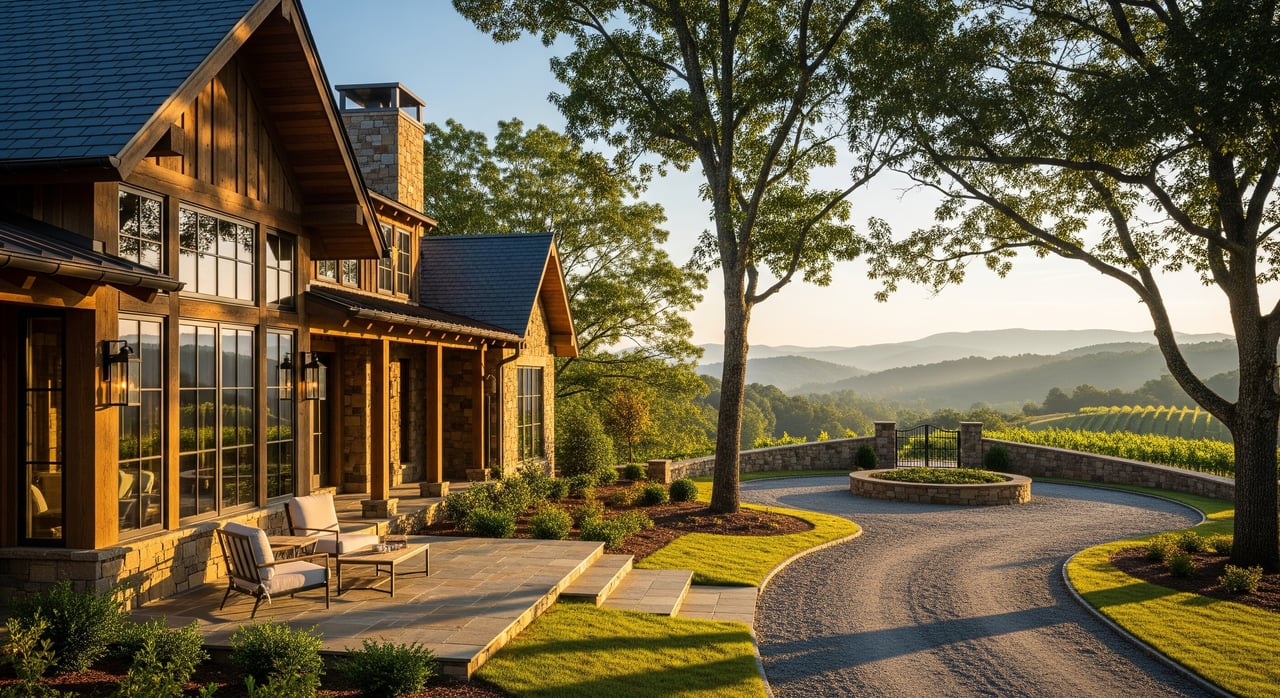
Thinking about selling in Dahlonega and wondering what your home is worth? Pricing in our mountain and lake corridor can feel tricky, especially with second homes, acreage, and short-term rentals in the mix. You deserve a clear, local path to a real number you can trust. This guide shows you how value is set in Dahlonega, what matters most, and the steps to get a reliable estimate you can use. Let’s dive in.
What “home value” means here
Market value is the price a ready buyer and seller agree to in today’s market. In Dahlonega, demand comes from full-time residents, second-home buyers, investors, and retirees. The University of North Georgia adds rental demand, and tourism supports short-term rental interest. Proximity to Atlanta and more remote work have also brought lifestyle buyers into the area.
Market forces to watch
- Inventory levels. Low inventory pushes prices up, while more listings can cool pricing.
- Mortgage rates. Higher rates reduce buying power. Lower rates can increase demand.
- Seasonality. Spring is often busier. Winter can be slower.
- Local trends. University enrollment, new businesses, and infrastructure projects can affect demand.
- Short-term rentals. Rules and popularity can shape investor interest.
The main ways to price your home
Comparative Market Analysis (CMA)
A CMA compares recent similar sales and adjusts for differences to estimate your likely sale price. It is the go-to method for setting a listing strategy. In Dahlonega, focus on closed sales from the past 3 to 6 months and stay in the same micro-market when possible. For example, downtown homes price differently than rural acreage or properties with big mountain views.
Key elements to consider:
- Keep comps close in location, size, age, and condition.
- Account for features like finished basements, garages, acreage, and views.
- Expand to a 6 to 12 month window if sales are thin, but adjust carefully.
Useful formulas:
- Price per finished square foot = sale price ÷ finished square feet.
- Compare price per square foot across 3 to 7 comps, then adjust for features to set a value range and a recommended list price.
Appraisal
An appraisal is a licensed appraiser’s opinion of value and often required by lenders. It relies on verifiable data and standardized methods and may differ from a listing strategy. Appraisals are helpful for financing, estates, and situations where a formal valuation is needed.
Online estimates (AVMs)
Automated estimates are fast and can be a decent starting point. Accuracy can drop in rural areas and with unique properties, like homes with acreage, historic features, or panoramic views. Use AVMs as a rough benchmark, then confirm with recent Dahlonega sales and a local CMA.
Broker Price Opinion (BPO)
A BPO is a broker’s written estimate of value. It is quicker and less formal than an appraisal and may be used by investors or lenders for portfolio decisions.
Income approach for rentals
For investment properties or homes with short-term rental potential, an income approach can help. This uses rental income and expenses to frame value. You need solid, local rental data and must verify that short-term rentals are permitted.
Dahlonega value drivers
- Mountain views and elevation. Properties with long-range views or ridgeline settings often command higher prices.
- Acreage and privacy. Larger, wooded lots and secluded settings are popular with lifestyle buyers.
- Downtown proximity. Being close to the Square, restaurants, shops, and events raises appeal.
- University proximity. Homes near campus can attract renters and investors.
- Historic character. Well-maintained historic homes can see premiums, with potential design review considerations.
- Modern updates. Updated kitchens, baths, HVAC, and insulation can boost value and marketability.
Red flags and key checks
- Aging systems. Older roofs, HVAC, septic, or well concerns can lower value.
- Access and roads. Unpaved or easement roads may limit buyer interest.
- Zoning and easements. Check county and city rules, including any conservation restrictions.
- Floodplain or steep slope. These can affect insurance and building options. Verify before listing.
- Short-term rental rules. HOA and local ordinances matter for investor demand.
Build a defensible estimate
Gather your property facts
Create a simple file you can share with your agent or appraiser:
- Parcel ID, lot size, and year built.
- Finished square footage and floor plan details.
- Bedroom and bathroom count and any finished basement or attic.
- Recent improvements with dates, receipts, and permits.
- Utilities and systems: well or public water, septic or sewer, and heating fuel.
- Clear photos of interior, exterior, views, and any known issues.
- Recent comparable sales from the last 3 to 6 months if available.
Choose the right comps
Prioritize in this order: closed sales, pending sales, then active listings for current competition. Match property type and size closely. In rural areas, expand the radius but keep lot size and topography similar. Avoid extreme outliers unless you can justify adjustments.
Adjust and run the numbers
Start with price per finished square foot across your comps, then adjust for differences like condition, bedrooms and baths, garages, acreage, views, finished basements, and major system age. Document each adjustment and why it was made. Review days on market for sold comps versus current active listings to set expectations for timing.
Helpful formulas:
- Price per finished square foot = sale price ÷ finished square feet.
- Days on Market (DOM) comparison helps you understand pace and pricing pressure.
Estimate your seller net
You can sketch a simple net estimate to plan your move.
- Seller net estimate = projected sale price − (commission + closing costs + loan payoff + repair credits + prorated taxes and fees). This is a planning tool, not a final figure. Your actual net will depend on your contract and final settlement statement.
Pre-listing moves that add value
- Consider a pre-listing inspection. Find fixable issues early and reduce renegotiation risk.
- Prioritize high-ROI repairs. Focus on structural, safety, and visible deferred maintenance first. Cosmetic updates like fresh paint and basic landscaping improve showability.
- Stage for lifestyle. Declutter, highlight views and outdoor living, and use quality photography. Drone imagery can be a plus for acreage or mountain vistas.
- Time your launch. Spring often brings more buyers, but a well-priced, well-presented listing can sell any time.
Planning your timeline
If you are 60 to 90 days out, gather documents, consult on repairs, and request a CMA. In the 30 to 60 day window, complete targeted updates, plan staging, and confirm pricing based on the latest comps. Two weeks before listing, finalize media and marketing, and set a go-live date aligned with buyer activity.
Ready for local guidance?
Pricing in Dahlonega is nuanced, and the right plan can put real dollars in your pocket. If you want a clear, local CMA and a step-by-step prep plan tailored to your property, reach out to Greg Adams. Go with Greg!
FAQs
How accurate are online home value estimates in Dahlonega?
- They are helpful starting points but can be off for rural, unique, or renovated properties. Always compare to recent Dahlonega closed sales and a local CMA.
Does my tax-assessed value set my sale price?
- No. Assessed values are for taxation and often lag the market. Buyers decide based on recent comparable sales and current demand.
How long will a Dahlonega home take to sell?
- Timing depends on price, condition, and seasonality. Review local MLS days on market for similar homes to set realistic expectations.
Should I get an appraisal before listing in Dahlonega?
- A pre-listing appraisal can help in complex or disputed situations. For many sellers, a strong CMA plus a pre-listing inspection is sufficient.
Do short-term rental options raise my home’s value?
- They can, if rentals are legally permitted and supported by demand. Confirm local and HOA rules and evaluate realistic income and expenses.
What should I gather before a CMA meeting?
- Bring accurate square footage, bed and bath counts, recent improvements with receipts, utility details, and clear photos, plus any recent nearby sales you know about.