Selling a lakefront home in Hiawassee can feel exciting and a little overwhelming. On Lake Chatuge, buyers love the views, the dock, and the easy access to play on the water. What really wins offers, though, is careful preparation and clean documentation that answers questions before they are asked. This step-by-step checklist shows you what to verify, how to present your home, and what to highlight so you list with confidence. Let’s dive in.
Lake Chatuge essentials to verify
Lake Chatuge is a Tennessee Valley Authority reservoir managed for flood control, power, and recreation. TVA sets and enforces shoreline and structure rules that affect private docks, boathouses, and shoreline work. Start by confirming how those rules apply to your parcel and how seasonal water levels affect your shoreline and photos. You can review lake operations and background on the TVA Chatuge reservoir page.
Key items to verify for your listing packet:
- Whether your parcel extends to the ordinary high-water mark and how any TVA boundary appears on your survey.
- Typical seasonal water levels and where your dock sits relative to the shoreline during listing season.
- Which public access points or marinas are nearby. Popular options include the Jackrabbit Mountain Recreation Area with its public boat ramp.
Gather critical documents
TVA shoreline authorization (Section 26a)
TVA regulates docks, boathouses, riprap, seawalls, and many shoreline alterations. Collect any existing permits, approvals, or land-use agreements for your dock or shoreline features. Confirm if a dock tag or permit number is current, and what TVA expects when ownership changes. TVA’s shoreline guidance and permit standards are outlined in the Shoreline Management Program, and the federal information collection explains new owner notification and transfer expectations.
County building, zoning, and septic
In Towns County, septic capacity and the permitted bedroom count often drive buyer decisions. Pull septic permits, soil reports, and any pump-out or inspection records from the local environmental health office. If you are unsure who to contact, county directories note that Towns County building and environmental health offices are the primary sources for records and permits. Start with the county information listed in Georgia local government directories and confirm onsite sewage standards under state regulations.
Flood zone and insurance implications
Identify your FEMA flood zone and determine if an elevation certificate exists or is recommended. Lenders often require flood insurance for homes in a Special Flood Hazard Area, so it is smart to know your status early. Pull the official panel for your address at FEMA’s Flood Map Service Center and include it in your disclosures.
Deeds, surveys, easements, and HOA
Provide your deed, the most recent survey with any TVA or waterline notations, and any recorded easements or shared-dock agreements. If a community association governs shoreline or dock rules, include the covenants or recorded agreements. Because TVA rules affect private structures on the reservoir, the documents in your packet help buyers understand what can stay or change under the TVA shoreline program.
Prep the property for market
Stage key rooms first
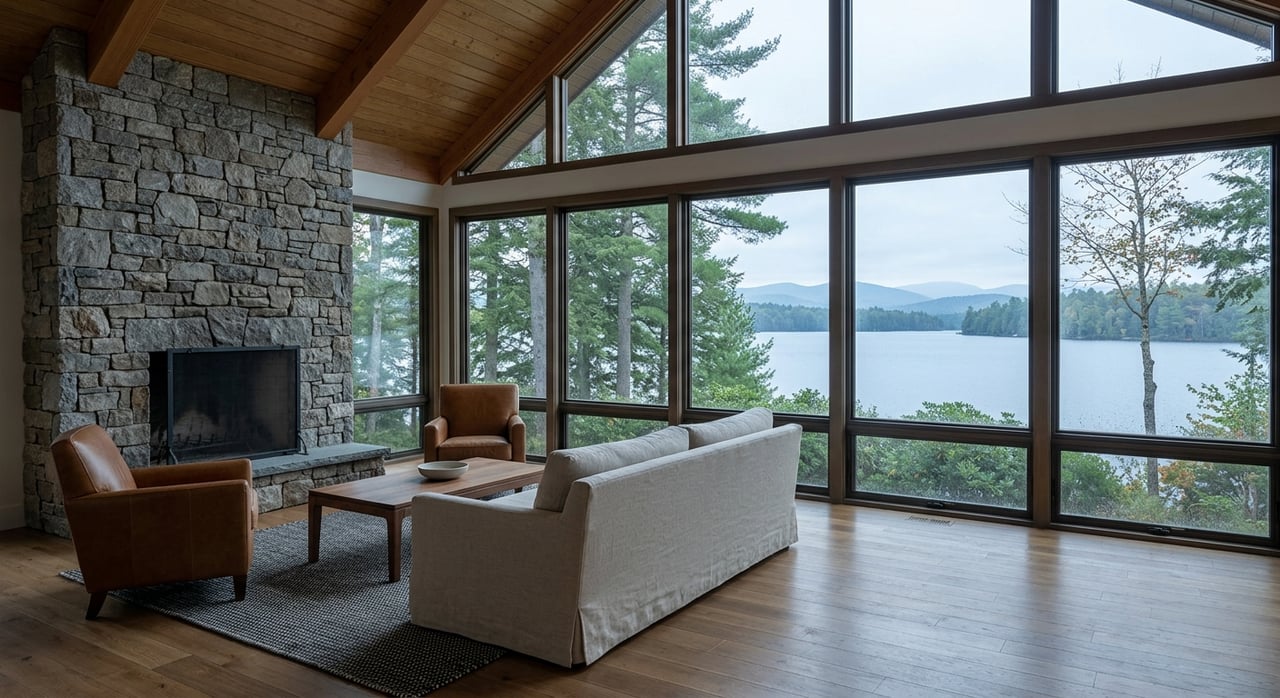
Prioritize the living room, kitchen, and primary bedroom. Declutter, deep clean, and complete small repairs. Staging helps buyers picture themselves in the space and can reduce time on market. Professional photos consistently deliver strong returns, according to NAR’s staging guidance.
Boost curb appeal and views
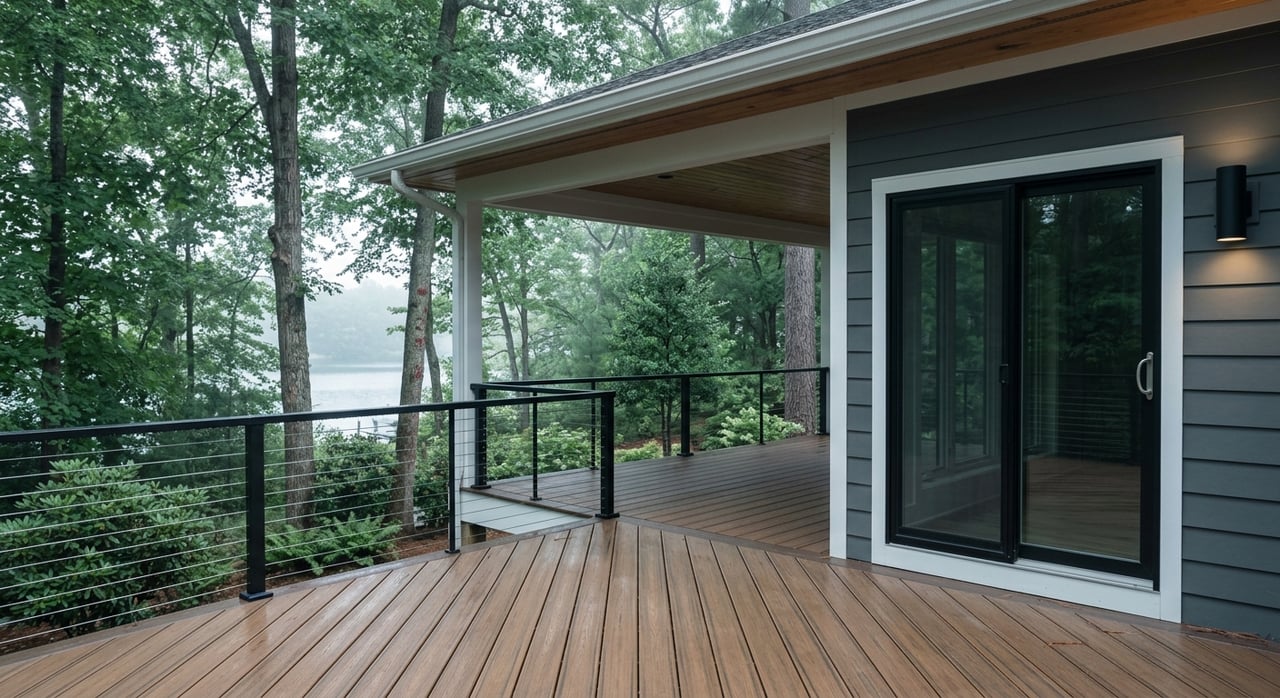
Tidy landscaping and create a clear, welcoming path to the shoreline and dock. Trim or stage vegetation so the lake view is visible without aggressive clearing that might conflict with regulatory buffers or easements. Exterior presentation is a top pre-listing task cited in NAR staging resources.
Dock and shoreline checklist
A clean, safe dock attracts buyers and photographs well. Pressure-wash decking, remove algae and clutter, tighten fasteners, and check cleats. Add a clean ladder and a visible life ring for showings. Confirm dock electrical components have GFCI protection and note any recent inspections. For general boating and dock safety context, review guidance from the marine industry via the NMMA. If you have a TVA tag or permit, place a copy in the listing packet and be ready to explain transfer steps using TVA’s documentation.
Photography, aerials, and timing
Order professional interior and exterior photos, plus detail shots of the lake view and dock from both shore and water. Consider a twilight exterior if appropriate. If you want aerials, hire an FAA Part 107 certified drone operator and request proof of certification and insurance. Marketing flights are commercial and must follow FAA Part 107 rules. Time your shoot for representative water levels based on TVA’s lake operations so photos match typical buyer expectations.
Market the right details
Use your marketing to highlight verified, documentable features and nearby amenities.
- TVA-authorized dock details, with permit number and a copy on file.
- Whether slip, lift, or boathouse conveys with the sale.
- Deeded lake access if shown in your recorded documents.
- Proximity to named public ramps or recreation areas such as Jackrabbit Mountain.
- Recent shoreline work or dock service, with applicable permits or receipts.
When describing recreation, keep it accurate and neutral. Do not imply exclusive water-use rights that are not supported by your deed or TVA rules.
Avoid common pitfalls
- Do not promise that a dock can be rebuilt or expanded without verified authorization. Many projects require TVA review, and new owners may need to apply. Use plain language about what exists, what is permitted, and what may require buyer follow-up using TVA’s transfer guidance.
- Do not rely on verbal histories for septic capacity. Provide permits, records, or a recent inspection aligned with Georgia onsite sewage standards.
- Do not skip flood-zone checks. Include the FEMA map panel in your disclosures to avoid surprises during underwriting.
Your 4–6 week action plan
4–6 weeks out
- Pull deed, survey, any TVA Section 26a permits or tags, HOA documents, septic permits, and any elevation certificates. If dock authorization is unclear, note TVA’s Public Lands Information Center as the contact referenced in TVA documentation.
2–4 weeks out
- Complete staging and exterior cleanup, including dock prep and landscaping. Schedule professional photos and, if needed, a Part 107 drone pilot. Arrange a septic inspection or pump-out documentation if records are missing. See NAR’s staging guidance for photo priorities.
Listing week
- Go live with hero photos of key rooms, the primary lake view, and the dock from shore and water. Highlight verified proximity to public ramps or recreation. Provide a clear seller packet with permits, survey, septic records, and HOA documents, and be ready to answer TVA transfer questions using TVA’s guidance.
Expect these buyer questions
- Does the sale include the dock and is it permitted? Provide a copy of your TVA Section 26a permit or state in writing if one does not exist. New owners may need to notify TVA or apply per transfer procedures.
- Is the property in a flood zone? Include the FIRM panel or FIRMette from FEMA’s Flood Map Service Center and note whether an elevation certificate is available.
- Who maintains the shoreline and dock? Share any HOA or recorded agreements and note that TVA rules and local covenants guide responsibilities under the Shoreline Management Program.
Ready to list on Lake Chatuge?
You do not have to navigate permits, photos, and showings alone. With local knowledge and a white-glove approach, you can present your Hiawassee lakefront with confidence and clarity. If you would like a customized plan and hands-on coordination, connect with Greg Adams. Go with Greg!
FAQs
What documents do I need to sell a Lake Chatuge waterfront home in Hiawassee?
- Gather your deed and survey, any TVA dock or shoreline permits, septic permits and records, HOA documents, and the FEMA flood map panel for your address.
How do TVA dock permits transfer when I sell my Hiawassee home?
- TVA expects new owners to notify the agency and may require an application; include your current permit or tag and reference TVA’s transfer guidance.
Do I need an elevation certificate for my lakefront home?
- Check your FEMA flood zone at the Flood Map Service Center; if your home is in a high-risk zone, lenders often require flood insurance and may request an elevation certificate.
Who verifies my septic capacity in Towns County, GA?
- The local environmental health office maintains septic permits and records, backed by Georgia onsite sewage regulations; provide permits and any inspection or pump-out receipts.
Can I use a drone for my listing photos on Lake Chatuge?
- Yes, for marketing you should hire an FAA Part 107 certified remote pilot who follows Part 107 rules and is properly insured.
What nearby amenities should I feature in my Hiawassee listing?
- Highlight verified proximity to public ramps and recreation such as the Jackrabbit Mountain Recreation Area, and include any permitted dock features with documentation.