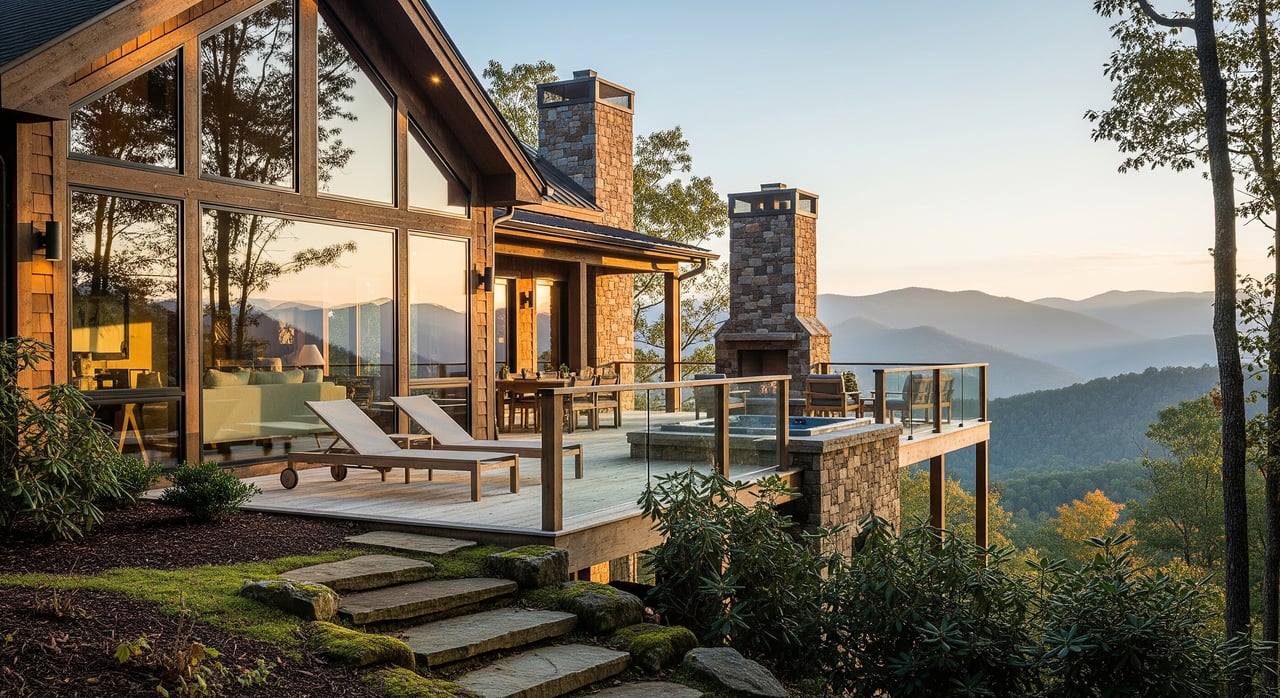
Dreaming of a North Georgia cabin but live hours away? You are not alone. Many buyers shop Blairsville and Union County from afar, then face questions about roads, internet, wells and septics, short-term rental rules, and how to close without constant travel. This guide gives you a clear plan tailored to Blairsville so you can shop with confidence and avoid costly surprises. Let’s dive in.
Why Blairsville attracts out-of-town buyers
Blairsville and Union County offer classic mountain-lake living with a relaxed, small-town feel. Buyers are drawn to Lake Nottely, access to the Appalachian Trail, Brasstown Bald, and Vogel State Park. The area sees steady interest from second-home shoppers, remote workers, and those exploring rental potential.
Inventory ranges from rustic log cabins to “mountain modern” builds, plus lakefront and near-lake options. Prices vary widely by subarea and home type. You will want to compare recent sales in the specific neighborhood or shoreline you are targeting rather than relying on countywide averages.
Rental demand can shift by season and location. Proximity to trailheads, state parks, and the lake tends to boost short-term rental interest and weekend appeal.
Know the Blairsville area map
Blairsville’s downtown sits within small city limits, surrounded by broader Union County mountain neighborhoods. Understanding these subareas helps match your goals and expectations.
Downtown and nearby outskirts
You are close to groceries, medical services, and restaurants. Year-round access is easier, and lots are often smaller with simpler drives. This is a good fit if you value convenience and shorter trips to daily services.
Lake Nottely shoreline and lake neighborhoods
If you want boating and fishing, look here. Roads can wind around coves, and some properties include private slips or community docks. Confirm any dock rights and community rules before you fall in love with the view.
Mountain and national forest fringe
Areas near Vogel State Park and Brasstown Bald offer higher elevations, bigger views, and more privacy. Expect longer drives for groceries and medical care. Driveways can be steeper, and winter access may require extra planning.
Gated developments and subdivisions
These often provide road maintenance and shared amenities like docks or community spaces. You will see HOA rules and fees that set expectations on use, rentals, and upkeep. This can be a smart choice if you prefer a lower-maintenance setup.
Access, roads, and seasonal realities
Many cabins sit on steep, narrow, or gravel roads. Driveway slopes vary a lot, and some access points are gated or cross private easements. Short winter cold snaps can bring ice or snow, which is harder on higher elevation roads. Public agencies prioritize main highways, while private roads usually rely on owners or an HOA for maintenance.
Before you write an offer, ask these access questions:
- Who maintains the access road — county, state, HOA, or private owners?
- What is the driveway grade, and will 4WD be needed in winter?
- Are there any known limits for emergency vehicle access?
- Is there a road maintenance agreement, and how are costs shared?
Property systems and inspections
Mountain properties work a bit differently than in-town homes. Focus on wells and septics, heating fuels, internet options, and insurance.
Water and septic basics
Many cabins use a private well and septic system, even near municipal lines. You should order a well water test for bacteria and minerals and confirm well yield. Ask for a septic inspection and pump history, plus a diagram that shows the tank and drain field location. On steeper lots, septic repairs and replacements can be more complex and costly.
Power and heating
Electric service is typically provided by a regional co-op. Some remote homes may have buried lines or a higher risk of outages. Heat sources vary, including heat pumps, electric baseboards, wood or pellet stoves, and propane for backup or appliances. Confirm the fuel type and local delivery options if propane is in use.
Internet and cell coverage
Connectivity is highly location specific. In town you may see cable or DSL. In many mountain areas, options can include fixed wireless, satellite services, and emerging Starlink. If you rely on remote work, get current speed information from the seller or providers and verify coverage using available broadband maps for the parcel. Always test if possible.
Insurance and hazards
Insurance can cost more for rural and mountain properties due to access, wildfire exposure, and response times. If you are near water, confirm flood zone status and whether flood insurance applies. Wooded lots benefit from brush clearance and defensible-space practices. In areas without public hydrants, some owners use private water tanks for firefighting.
Must-do inspections
For out-of-town buyers, a thorough inspection plan is essential. Prioritize:
- Full home inspection by someone experienced with mountain construction
- Septic inspection with dye test or county compliance review
- Well test for bacteriological safety and yield
- Roof, foundation, and crawlspace moisture and rot checks
- Driveway and access evaluation for winter and emergency access
- Tree safety survey for overhanging or dead trees
- If planning STR use, a suitability review of sleeping egress, parking count, and septic capacity for guest loads
Short-term rentals and local rules
Rules for short-term rentals vary by area and change over time. Confirm current Union County and Blairsville requirements for registration, licensing, occupancy taxes, and any safety inspections. HOAs or covenants may limit or prohibit STRs. Always verify subdivision rules and county standards before underwriting rental income.
Taxes, closing, and remote logistics
Second homes typically do not qualify for primary residence homestead exemptions, so expect the full county property tax rates. Closing costs in Georgia generally include title insurance, deed recording fees, and lender or legal charges. A local closing attorney or title company can provide an estimate.
Title checks to prioritize
Mountain and lake parcels often include easements and shared features. Confirm:
- Legal access via recorded easements for any private drive
- Rights to any shared or community docks if lake access is advertised
- Recorded covenants and road maintenance agreements that affect upkeep and use
Financing considerations
Some lenders are cautious with steep slopes, nonconforming access, or primarily STR-focused properties. Local banks familiar with cabin markets and cash buyers can move more smoothly. If you plan to finance, confirm eligibility and appraisal requirements early.
How remote closings work
Georgia closings commonly use title companies or closing attorneys. Many out-of-town buyers complete closings by mail, with an attorney, or through a remote notary where allowed. Your team can coordinate inspections, walkthroughs, and key transfer so you are not making multiple trips.
What to request before you visit
When you are shopping from afar, strong documentation narrows your shortlist. Ask for:
- Complete photo sets, including closeups of roof, foundation, and mechanical systems
- Drone and overhead images to understand topography and driveways
- Winter access photos if available
- Recent electric and propane bills and septic pump receipts
- Internet provider details with current plan and typical speeds
- Any road maintenance agreements or HOA documents
- Insurance premium history or quotes if the seller has them
- Survey, well records, and septic diagrams and permits
Plan your on-site visit
Try to see the property in the season you plan to use it most. If winter use matters, visit in colder months. Drive the approach roads at different times of day and check driveway slope and turnarounds. Test cell and internet speeds if you can, and verify how deliveries and service providers access the home.
Buyer checklist you can save
- Engage a local buyer’s agent experienced with mountain properties
- Gather written utility, septic, well, and maintenance records
- Order independent home, septic, and well inspections
- Confirm road ownership, maintenance, and winter access plans
- Verify internet and cell coverage with speed tests if possible
- Obtain a title commitment and confirm all easements and dock rights
- Get insurance quotes early to confirm availability and cost
- If financing, confirm lender comfort with the property type and access
- Schedule a site visit in your intended season of use
Travel, services, and medical
The closest major airport is Atlanta Hartsfield-Jackson. Depending on traffic and where in Union County you are staying, the drive is roughly 1.5 to 2.5 hours. Blairsville offers local clinics and services. For major hospitals, you may travel to nearby regional centers, so confirm the nearest full-service facility and typical response times. In remote areas, volunteer and county services may need longer to reach you, which is another good reason to plan access and safety.
Next steps with a local guide
A successful out-of-town purchase comes down to the right information and a coordinated plan. With strong local knowledge, clear inspection steps, and upfront title and access checks, you can move from online browsing to a smooth remote closing.
If you are ready to shortlist cabins or want a second opinion on access, utilities, or rental potential, connect with Greg Adams for a personalized plan and on-the-ground guidance. Go with Greg!
FAQs
How reliable is internet and cell service in Blairsville cabins?
- Coverage varies by micro-location. In town you may see cable or DSL. Many mountain areas use fixed wireless, satellite, or Starlink. Always request current speed info from the seller and verify with providers or a live test.
Who handles winter road maintenance near Blairsville cabins?
- Main highways are prioritized by public agencies, while private roads are typically maintained by owners or an HOA. Confirm who maintains your access road, how costs are shared, and whether 4WD is recommended.
Are wells and septics common for Blairsville cabins?
- Yes. Many cabins use private wells and septic systems. Plan for a well test, septic inspection, and a review of pump history, permits, and drain field location.
Are short-term rentals allowed in Union County or Blairsville?
- Rules vary and can change. Check current Union County and Blairsville requirements for licensing, registration, taxes, and safety standards. Also verify any HOA or covenant restrictions.
How long is the drive from Atlanta to Blairsville?
- Plan for roughly 1.5 to 2.5 hours depending on traffic and your cabin’s location within Union County.
What should I budget for insurance on a mountain cabin?
- Costs can be higher than in-town homes due to access, wildfire risk, and response times. Get quotes early and confirm any flood insurance needs if you are near water.
Can I finance a Blairsville cabin used as a short-term rental?
- Some lenders are more conservative with steep lots, nonconforming access, or STR-focused properties. Check with lenders early and consider local banks familiar with mountain cabins.
Are there local services for rental management and maintenance?
- Many owners use local cleaning, lawn, and handyman services. If planning STR use, request quotes for management and cleaning, and verify county tax and STR requirements before you underwrite income.