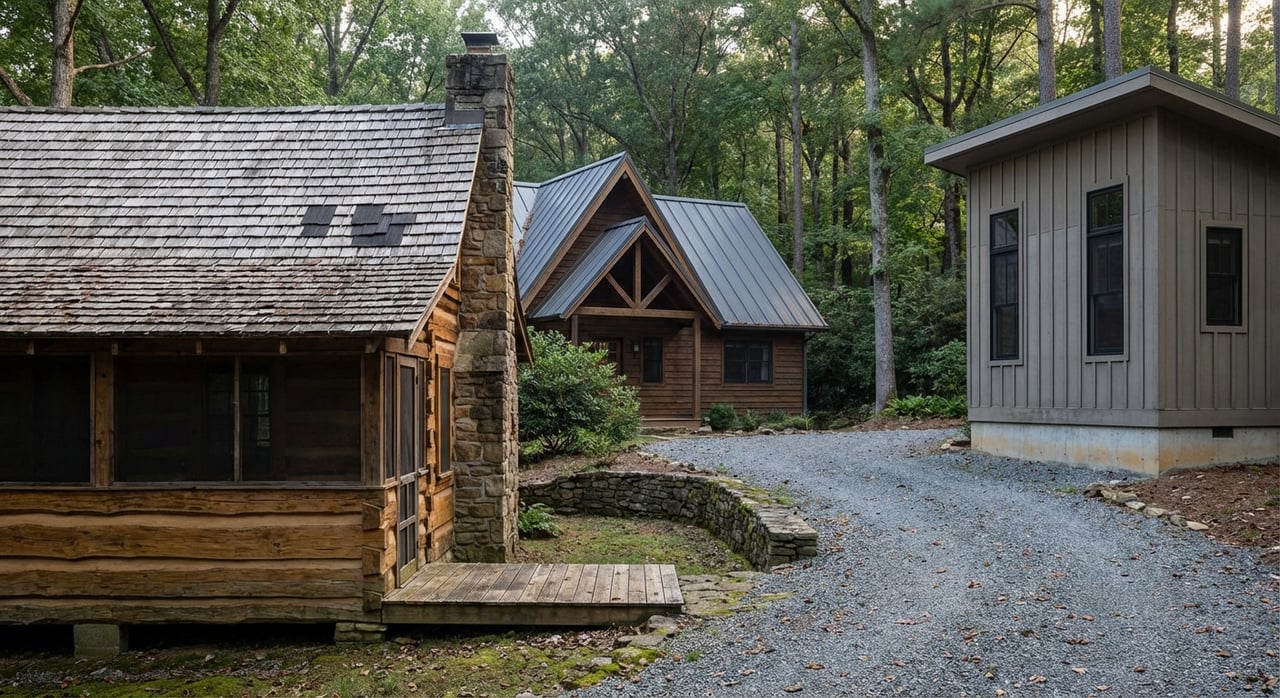
Thinking about a cabin in Sautee Nacoochee? The 30571 valley blends historic character with vacation‑friendly living, which can make your search feel both exciting and a little tricky. You want the right style, the right age, and the right setup for your lifestyle or rental goals. In this guide, you’ll learn what kinds of cabins you’ll see, common ages and building features, the maintenance to expect, what drives value, and a clear due‑diligence checklist to buy with confidence. Let’s dive in.
Sautee Nacoochee at a glance
Sautee Nacoochee is an unincorporated community in White County centered around the Sautee and Nacoochee valleys. It is known for a small cultural hub and scenic, rural neighborhoods. You’ll also find a strong preservation influence thanks to nearby historic districts that shape landscape character in parts of the valleys. Learn more about the area’s context in the overview of Sautee Nacoochee, Georgia and the Sautee Valley Historic District.
You should expect a mix of year‑round households and vacation‑oriented properties. ZIP‑level data and listing snapshots signal a higher share of vacant or seasonal housing, especially near Helen. That translates to more second homes and short‑term rentals in the corridor. See a ZIP profile for 30571 on ZIP‑Codes.com.
Cabin styles you’ll see
Classic log cabins
You’ll find full‑log and log‑style homes with exposed log walls or heavy timber accents. Some are older, restored retreats that operate as rentals, while others are purpose‑built vacation cabins. Expect large porches, wood interiors, and stone fireplaces.
Chalet and A‑frame designs
Chalet and A‑frame cabins lean into vaulted ceilings and big view windows. Many were built or updated from the 1980s through the 2000s. Large decks are common so you can enjoy morning coffee with a valley or ridge backdrop.
Contemporary mountain homes
Many cabins use conventional stick‑built framing with wood siding and stone accents. Inside, you’ll often see tongue‑and‑groove walls, open living areas, and modern kitchens designed to read rustic but live easy.
Walk‑out terrace levels
Because lots can be steep, many floor plans include a daylight terrace level with guest suites or game rooms. You’ll also see piers, stepped foundations, and retaining walls where the site calls for it.
Typical ages and materials
You’ll find a wide age range. Some early 20th‑century log structures survive as renovated cabins. There was a big wave of builds in the 1970s through 1990s, followed by custom and luxury cabins from the 2000s to today. It is common to see restored charm next to newer builds on the same road.
Materials vary but wood rules the day. Exteriors often feature full‑log or log siding, cedar or shiplap, and stone veneer accents. Roofs are typically architectural asphalt shingles or metal. Shingle roofs often run about 20 to 30 years depending on quality and care, while metal systems can extend longer when properly installed. For material lifespan insights, see the Metal Roofing Alliance at metalroofing.com.
Systems and utilities to expect
Outside of downtown Helen and more built‑up pockets, many properties rely on private wells and on‑site septic. White County requires septic evaluations in the permit process, so it pays to confirm records early. Review local building and permitting guidance from White County Community & Economic Development.
Heating and cooling systems range from central heat pumps and propane furnaces to wood or gas log fireplaces. In cabins with big vaulted great rooms, make sure HVAC capacity matches the volume of air the system needs to move.
Maintenance and quirks to budget for
Exterior wood care
Log and wood exteriors need consistent care. Plan for stain or sealant every 3 to 7 years depending on exposure, plus spot chinking or caulk at joints. Well‑sealed logs resist water and sun damage, which helps prevent rot and extends the life of your finish. Large decks often need resealing and occasional board or railing replacement.
Pest pressure in Georgia
Georgia sits in a high‑risk termite zone, so a professional wood‑destroying organism inspection is smart, especially for older cabins. The University of Georgia Extension recommends routine prevention and inspections. Read their guidance on preventing termites in Georgia homes. Also watch for carpenter bees and other borers on exposed timbers, and review any treatment history from the seller.
Moisture and mold control
Mountain humidity, wooded shade, and crawlspaces can create conditions for moisture and mold. Check for proper drainage, guttering, and crawlspace venting or encapsulation. For prevention and cleanup basics, see the EPA’s publications about mold.
Septic and well care
Many cabins use private septic systems. Budget for regular pumping, inspection, and possible upgrades on older systems. Georgia’s onsite sewage rules set the standards for siting and operation. Review the state’s onsite sewage regulations at the Georgia Secretary of State rules site. For wells, test for bacteria, nitrates, hardness, iron, and pH, and confirm pump age and performance.
Access and driveways
Long gravel drives are common. Verify year‑round access, who maintains the road, and winter conditions like ice on north‑facing slopes. For drive and address‑related permitting practices, check county guidance at White County’s permitting page.
What drives value in 30571
Views and privacy
Clear views of Mount Yonah or valley vistas add real value. Orientation, tree management, and deck placement matter. Privacy and acreage also help, especially if the site has usable areas for parking, outbuildings, or a future guest suite.
Proximity to Helen and recreation
Being close to Helen, Unicoi State Park, Anna Ruby Falls, and river access boosts both lifestyle appeal and rental demand. Learn more about Unicoi State Park to see why buyers and visitors prioritize nearby hiking, fishing, and paddling.
Turnkey updates and permits
Updated kitchens and baths, modern HVAC, and documented permits tend to increase price and reduce buyer risk. Before you offer, it helps to verify improvements and certificate of occupancy where applicable. Start with local process notes on the White County permits page.
Short‑term rental potential
Both Helen and unincorporated White County regulate short‑term rentals and lodging tax collection. In the county, host licensing and registration apply. Well‑documented compliance and proven rental performance tend to draw more buyer interest. Review current steps on White County’s short‑term rental eligibility page.
Sautee vs Helen for buyers
Sautee Nacoochee sits in unincorporated White County, so you will follow county rules for permits and short‑term rental registration. Helen is an incorporated city with its own STR permitting and hotel‑motel tax requirements. If rental income is part of your plan, confirm which jurisdiction the property is in and what that means for licensing and taxes. The county outlines host steps on its STR eligibility page.
Sautee‑area cabins often attract buyers seeking privacy and a quieter setting that is still close to the action. Helen’s walkable downtown can command higher nightly rates, while Sautee’s mix of acreage and views appeals to guests who want space and trail access.
Buyer due‑diligence checklist
Use this quick checklist before you make an offer in 30571.
- Title and deed covenants: Confirm any HOA, covenants, or conservation easements. In valley areas, check for historic district overlays like the Sautee Valley Historic District.
- Permits and code: Review county permit history. White County requires recorded plats and septic evaluations for many permits. Start here: White County building permits.
- Septic inspection: Get a certified evaluation and pumping history. Verify bedroom count vs system capacity. See Georgia’s onsite sewage rules at the state rules site.
- Well testing: Order lab tests for bacteria, nitrates, iron, hardness, and pH, and run a flow test. Confirm pump condition and age.
- Structural and roof review: Note roof material and age, flashing, and any moss or water stains. Compare shingle vs metal life expectations at metalroofing.com.
- Pest inspection: Order a termite and wood‑destroying organism inspection. See UGA Extension’s guide to preventing termites in Georgia homes.
- Moisture and mold: Inspect crawlspaces and attics for moisture, staining, or musty odors. The EPA offers mold prevention and cleanup tips.
- Access and egress: Verify road maintenance, driveway grades, sight lines, and emergency access. Check local permit notes on the county page.
- STR and lodging tax: Confirm whether the parcel is in Helen or unincorporated White County. Review the county’s STR eligibility steps and check city rules if applicable.
- Utilities and internet: Confirm electric provider, cell coverage, and available internet. Rural broadband may require fixed wireless, DSL, or satellite solutions.
Pro tip: Your inspection team often includes a licensed home inspector, septic pro, termite inspector, well contractor for a pump test, roofer, and a log‑home specialist if the home is full‑log.
Ready to explore Sautee Nacoochee cabins?
If you want privacy, views, and easy access to Helen and Unicoi, 30571 offers a range of options from cozy historic log cabins to modern chalet‑style homes. With the right due diligence, you can enjoy the mountain lifestyle and protect your investment. When you are ready to tour, align your wish list, or review rental potential, connect with Greg Adams for hyper‑local guidance and white‑glove service. Go with Greg!
FAQs
What cabin styles are most common in Sautee Nacoochee?
- You’ll often see full‑log cabins, chalet and A‑frame designs with big windows, and contemporary stick‑built homes with rustic finishes and large decks.
How old are cabins in ZIP 30571?
- Ages range widely, from early 20th‑century log structures to a large 1970s–1990s build wave and many custom cabins from the 2000s to today.
What maintenance should I expect with a log exterior?
- Plan for staining or sealing every 3 to 7 years, spot chinking or caulking, routine deck resealing, and regular termite and carpenter bee monitoring.
What should I know about wells and septic in Sautee?
- Many properties use private wells and on‑site septic; budget for well testing and routine septic pumping, and verify permits and system capacity before closing.
How do short‑term rental rules differ between Sautee and Helen?
- Sautee Nacoochee follows White County’s host licensing and lodging tax process, while Helen has separate city STR and hotel‑motel tax rules, so confirm the property’s jurisdiction first.