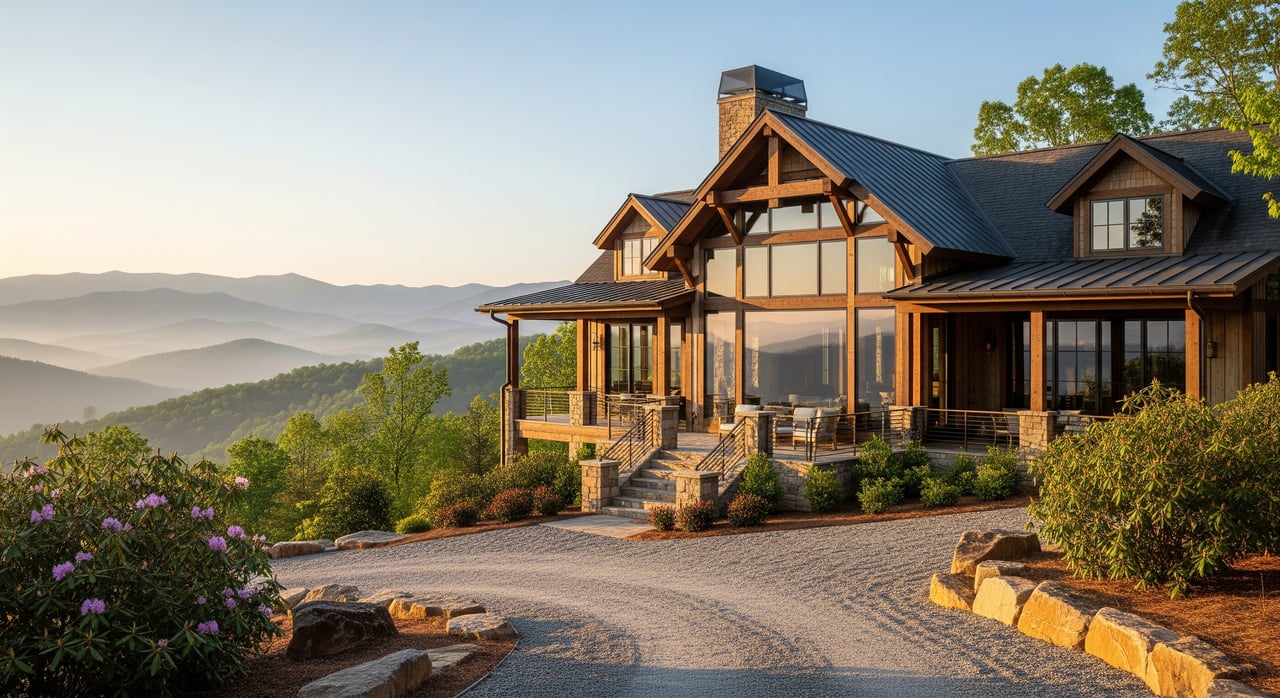
Thinking about buying or selling in Blairsville but not sure what the numbers really mean for you? You are not alone. Mountain markets move differently than big-city suburbs, and the mix of cabins, acreage, and second homes can make trends feel confusing. In this guide, you will learn how to read the Blairsville housing market, what drives local demand, and the practical steps that help you move with confidence. Let’s dive in.
Blairsville market snapshot
A useful snapshot focuses on a few core signals: price trend, months of inventory, days on market, and the sales-to-list-price ratio. Look at rolling 12-month figures to smooth out seasonal swings, then compare to the same period last year and a 3 to 5 year baseline. This shows you whether you are seeing a short pause or a true shift.
Read prices with context
Price per square foot and median sale price tell part of the story, but property type and land matter a lot here. A cabin with long-range views will price differently than a ranch home near town or raw acreage. Compare recent closed sales that match your property’s key features such as acreage, view, water access, utility type, and condition.
Track supply and speed
Months of inventory tells you who has leverage. Lower inventory often favors sellers, while higher inventory can give buyers more room to negotiate. Pair this with median days on market and the sales-to-list-price ratio to see how quickly homes are moving and how close they sell to asking.
Expect seasonality
Mountain towns tend to see more showings and new listings in spring and summer. Fall can bring steady activity from second-home buyers, and winter can be quieter with motivated parties on both sides. Use a rolling 12-month view so you do not mistake seasonal dips for long-term change.
What drives demand here
Blairsville appeals to a wide mix of buyers. Knowing who is active helps you price, market, and negotiate.
Primary residence buyers
Many local workers choose Blairsville for its small-town pace, services, and access to outdoor recreation. Proximity to healthcare, retail, and local government jobs supports steady demand for practical single-family homes close to town.
Retirees and lifestyle seekers
Retirees and empty nesters are drawn to mountain views, mild seasons, and a slower pace. Single-level homes, low-maintenance cabins, and properties with easy access often lead the wish list.
Second-home and vacation buyers
Weekend and seasonal owners look for cabins, lake access, and privacy. Rental potential can be a factor, but it depends on local rules and the home’s location, access, and amenities.
Remote workers relocating
Reliable internet has made mountain living more practical for remote professionals. Broadband availability by address can vary, so buyers often verify service before making an offer.
Investors and short-term rentals
Some investors seek turn-key cabins or small portfolios to meet vacation demand. Success depends on property features, seasonality, and compliance with any local regulations for short-term rentals.
Property types and features
You will find a broad mix of homes across Union County, each with value drivers that differ from suburban areas.
Single-family homes and cabins
Standard single-family homes near town offer convenience to services. Cabins often feature wood interiors, fireplaces, outdoor living spaces, and views. For cabins, consider road access, driveway grade, and whether the home is on a rental program.
Lake and river properties
Waterfront and water-view homes command attention based on shoreline type, dock potential, and view corridor. Buyers should verify any permits or restrictions tied to docks, shorelines, and community rules.
Acreage and rural parcels
Larger tracts appeal to privacy seekers and builders. Topography, soil conditions, and road access are key. Steep slopes can increase building and driveway costs, and septic placement may limit home sites.
Condos and townhomes
Attached housing is less common than in metro areas but can be a fit for low-maintenance living. Review HOA rules for leasing, pets, and short-term stays.
Mountain-specific due diligence
Rural and mountain properties bring unique practical checks. These items help you avoid surprises.
Septic and well basics
- Order a septic inspection, locate the tank and drain field, and confirm the system’s size matches bedroom count.
- Test well yield and water quality through a certified lab, and confirm well location, shared agreements, and power sources.
Access and roads
- Verify whether the road is county maintained, HOA maintained, or private, and who handles snow and repairs.
- Check driveway grade for year-round access, turning radius for larger vehicles, and easements for shared drives.
Utilities and internet
- Confirm whether the property uses public water and sewer or well and septic, and check the condition of all components.
- Verify broadband providers and speeds by address, and confirm cell coverage inside the home.
Topography, drainage, and soil
- Review site lines for potential view trimming within local rules, and check for erosion or slope movement.
- Order a survey if boundaries or encroachments are unclear, and ask about soil tests for planned building.
Insurance and hazards
- Check FEMA flood maps for any floodplain impacts on premiums and lending.
- Ask an insurance professional about wildfire, wind, and storm coverage typical for the area.
Local rules and taxes to know
Understanding the basics saves time and helps you plan long term. Always verify details with the appropriate county or city office.
Homestead exemptions and property taxes
Georgia offers homestead exemptions for primary residences that can reduce the taxable value. Union County applies county-level rules and millage rates. Confirm eligibility, deadlines, and required documentation with the Union County Tax Assessor before you file.
Short-term rental requirements
Short-term rental hosts may need permits and to collect local lodging or occupancy taxes, depending on the property’s location and use. Check current Union County and City of Blairsville rules before you book reservations or purchase with rental plans.
Zoning and land use
Setbacks, minimum lot sizes, and allowed uses can vary by zoning district. If you plan to add an accessory structure, build on acreage, or subdivide, contact local planning and zoning for current standards and review steps.
Permits and building
For new construction or major renovations, confirm building permit requirements and inspections with the county or city. Ask about recent building permit activity to get a sense of local construction trends.
Buyer strategies that work
Success in Blairsville starts with preparation and a plan that fits mountain properties.
- Get preapproved early and discuss loan types. Some rural or acreage properties may need specific appraisal expertise or loan programs.
- Focus your search by property type and must-have features such as view, access, and internet speed. This prevents wasted trips and supports stronger offers.
- Use a rolling 12-month market read for pricing and negotiation. Pair that with recent comps that match acreage, utility type, and property condition.
- Budget for inspections and due diligence. Plan for a general home inspection, septic, well, pest, roof, and survey if boundaries are unclear.
- Think total cost of ownership. Factor property taxes, insurance, septic and well maintenance, possible HOA fees, and seasonal road maintenance.
Seller strategies for better results
Mountain homes sell best when details are clear and presentation matches how buyers shop.
- Price to the right comps. Adjust for view, acreage, access, utility type, and updates. Cabin finishes and outdoor spaces can be major value drivers.
- Prep high-impact fixes. Service or repair septic if needed, address roof and gutter issues, improve driveway access, refresh paint, and deep clean.
- Stage for lifestyle. Highlight porches, fire pits, and view corridors. Quality photos and video help out-of-area buyers imagine the experience.
- Plan for seasonality. Spring and summer can draw more showings. Off-season listings can still shine with flexible showings and strong digital marketing.
- Disclose clearly. Provide septic records, well test results, access details, and any known easements or previous water or slope issues.
How to get accurate local data
If you want to back your decision with facts, use sources that track Blairsville and Union County directly.
- MLS statistics. Ask for rolling 12-month and 3-year snapshots of median price, days on market, list-to-sale ratio, and months of inventory by property type.
- County records and permits. Check building permits for new construction activity, and confirm tax and assessment details with the Tax Assessor.
- Census and labor data. Demographics and employment trends help explain longer-term demand patterns.
- Planning and zoning. Verify zoning, setbacks, subdivision rules, and short-term rental requirements before you commit.
- Utilities and hazard maps. Confirm broadband providers, public utility coverage, and view FEMA flood maps for insurance and lending impact.
Let’s talk about your goals
Your plans are unique, whether you want a quiet cabin with a view, a primary home near town, or a lake property with rental potential. You deserve clear answers, local insight, and a smooth process from first showing to closing. If you are ready to explore the Blairsville market or want a data-backed valuation, reach out to Greg Adams for a friendly, no-pressure conversation. Go with Greg!
FAQs
What is the Blairsville housing market today?
- Ask for a rolling 12-month MLS snapshot that shows median price, days on market, sales-to-list ratio, and months of inventory by property type.
How do months of inventory affect pricing in Union County?
- Lower months of inventory usually favor sellers with faster sales, while higher months of inventory can give buyers more room to negotiate.
Are short-term rentals allowed in Blairsville and Union County?
- Rules can vary by area and change over time, so confirm permits, taxes, and zoning requirements with the county or city before operating an STR.
What inspections are most important for mountain cabins?
- Plan for septic inspection and pumping, well yield and water quality testing, general home and roof inspections, pest checks, and a survey if boundaries are unclear.
Can I finance rural acreage near Blairsville?
- Many buyers use conventional or specialized loan programs, and lenders may require appraisers with rural property experience for accurate valuation.
How can I confirm internet reliability for remote work?
- Verify providers and speeds by address, and test cell coverage at the property to ensure you have the service level you need.