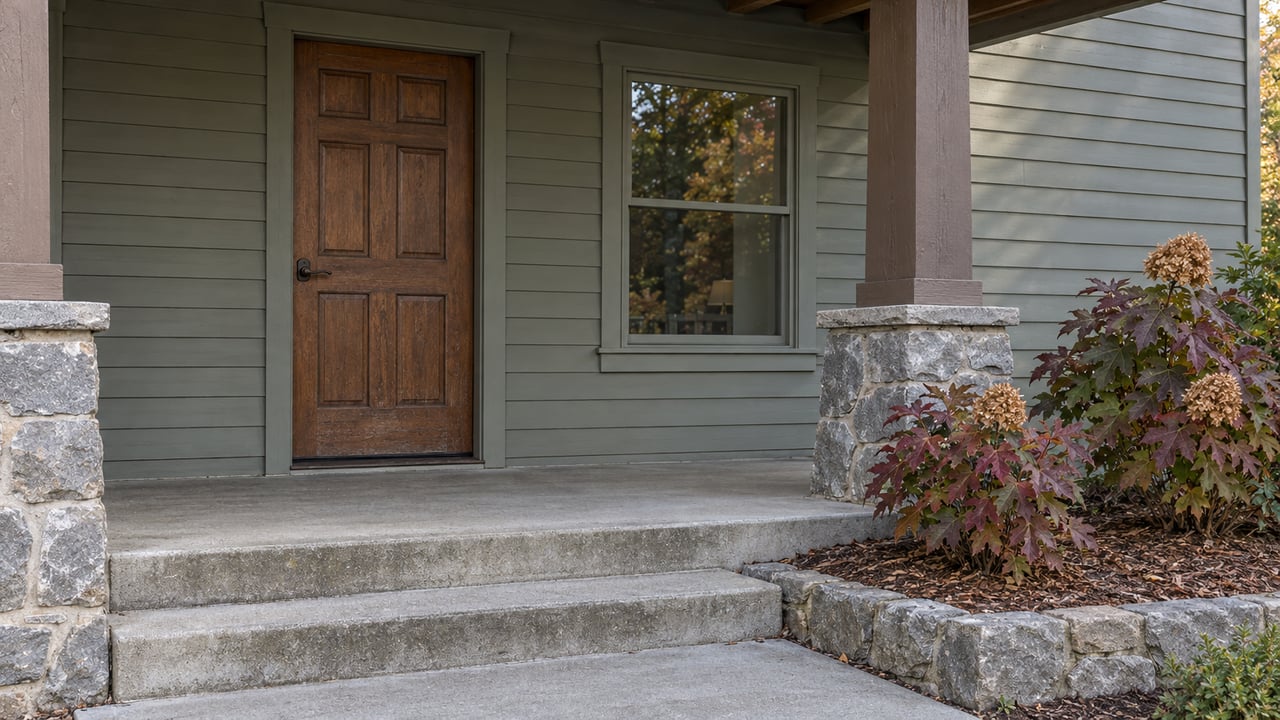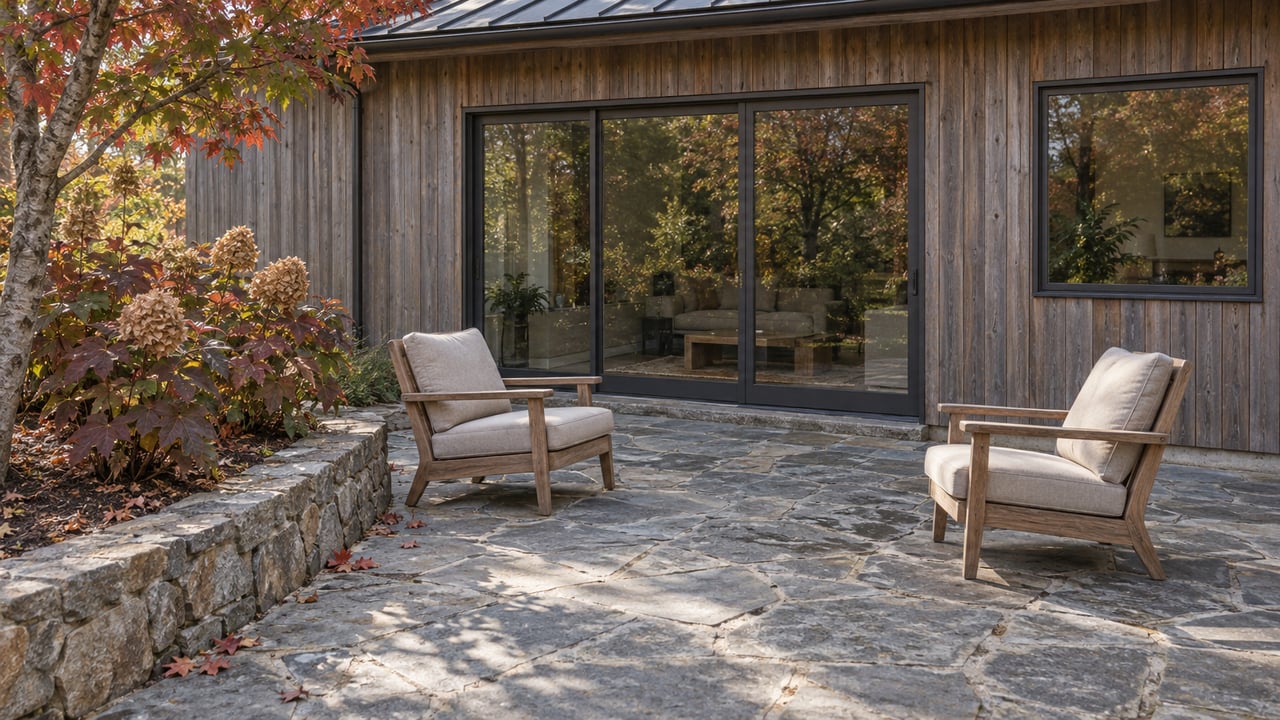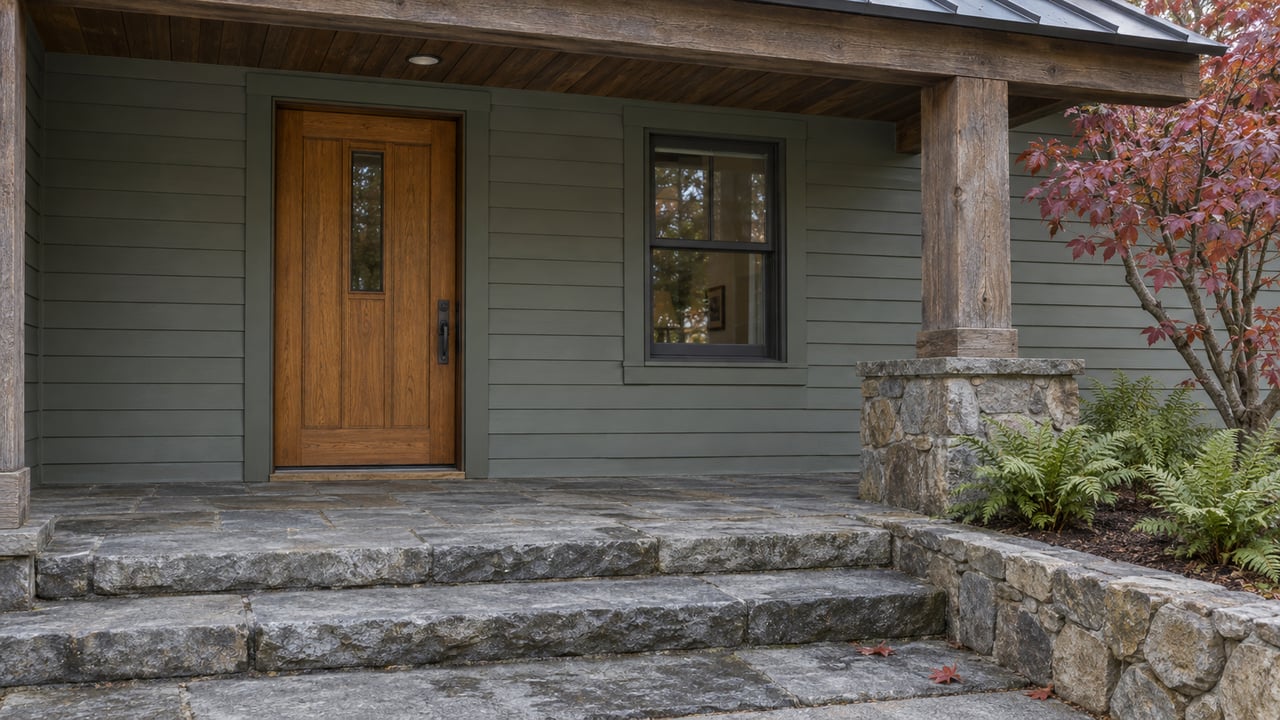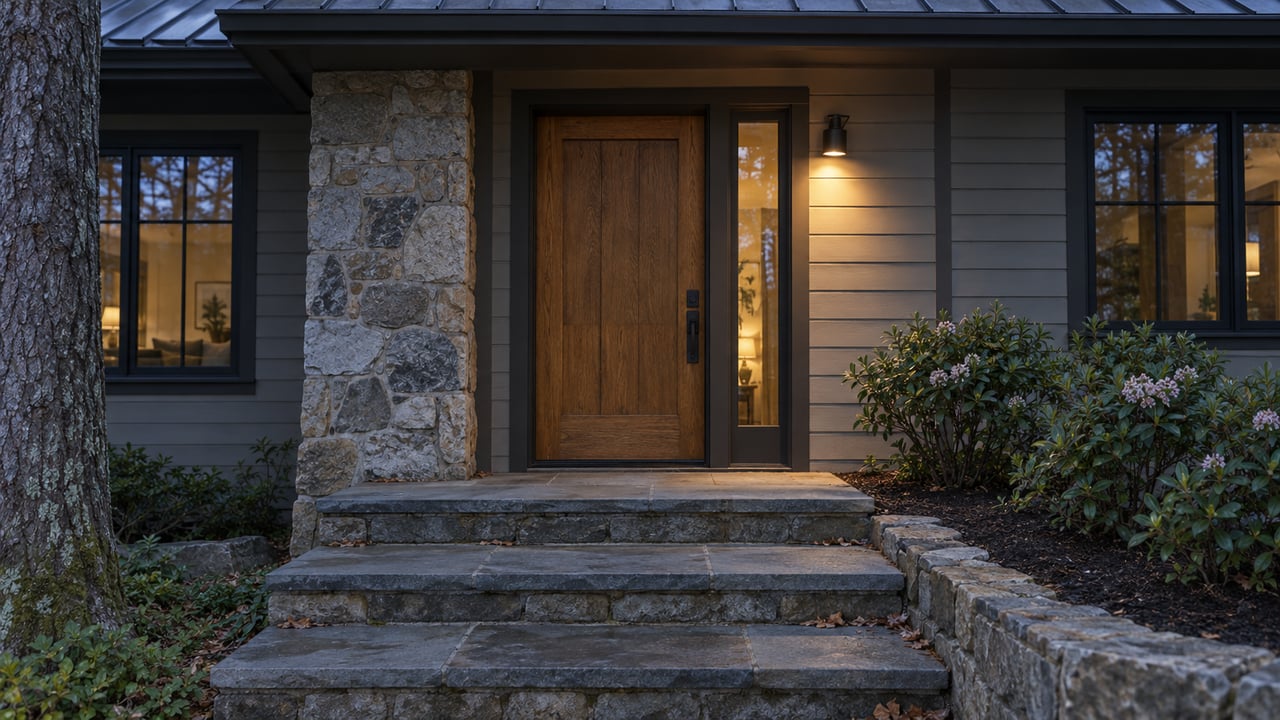
Ever picture your own weekend base in Clarkesville, tucked into the rolling hills and rivers of Habersham County? If you are exploring a second home in North Georgia, the financing rules work a little differently than your primary residence. You want clarity on loan options, down payments, and what it really costs to own a part-time retreat. This guide breaks down the essentials so you can plan with confidence and move forward when the right Clarkesville property appears. Let’s dive in.
What qualifies as a second home
A second home is a property you live in part-time for personal use. It is different from your primary residence, which you occupy most of the year, and it is not an investment property that you primarily rent for income. Lenders set separate standards for each category, which affects your rates and requirements.
If you are new to mortgage types, start with the plain-English explanations in the CFPB guide to mortgage options. Understanding how lenders define occupancy will help you choose the right path and avoid missteps that can delay closing.
Loan programs that fit
For most Clarkesville second-home buyers, conventional financing is the go-to option. Conventional lenders allow second-home loans if you meet occupancy rules and show adequate income, credit, and cash reserves. You can review general standards in the Fannie Mae Selling Guide, which outlines how lenders assess second-home occupancy and underwriting.
Government-backed programs are usually for primary residences. FHA and VA loans generally require you to live in the home as your primary residence, with limited exceptions. You can verify current guidance on the HUD FHA Single Family Housing page and the VA home loan program overview. USDA loans also focus on primary residences in eligible rural areas. See the USDA Single Family Housing Guaranteed Loan Program for the program’s purpose and occupancy rules.
If your price point exceeds conforming limits or your situation is unique, local banks and credit unions sometimes offer portfolio or jumbo options for second homes. Terms and requirements vary by lender, so shop and compare.
What lenders look for
Lenders treat second homes as higher risk than primary residences, so expect tighter standards. Common requirements include:
- Down payment: Many conventional lenders ask for 10 to 20 percent down on second homes. Investment properties typically require even more. The exact number depends on the lender and your profile.
- Credit strength: A higher credit score and clean history help you qualify and improve your rate.
- Debt-to-income (DTI): Your new payment is counted along with the mortgage on your primary home and other debts. Staying within standard DTI limits is key.
- Cash reserves: Lenders often require several months of payments in reserve across all financed properties.
- Occupancy certification: You will sign that the home is a second home used for personal occupancy, not a full-time rental.
- Mortgage insurance (PMI): PMI may be limited or priced differently for second homes. Some lenders prefer 20 percent down to avoid PMI entirely.
Appraisals and property factors
In Habersham County, many second homes are on acreage, near waterways, or in mountain settings. Lenders rely on an appraisal to confirm value and marketability, and they pay attention to practical factors like driveable, year-round access, reliable utilities, and the home’s seasonal use. Rural properties may involve wells and septic systems, which often require inspections. Appraisers experienced with cabins, riverfront, or view properties can help ensure fair comparisons.
Costs beyond your mortgage
Property taxes and exemptions
Georgia property taxes are set at the county level. Homestead exemptions and many tax benefits apply only to your primary residence, not a second home. For a clear overview of state-level homestead rules, review the Georgia Department of Revenue’s homestead exemptions. For exact Habersham County rates and assessment details, contact the county tax offices directly.
Homeowner and hazard insurance
Premiums for second homes can be higher, especially if the property sits vacant for long periods. Insurers may add vacancy clauses or require proof of active management. If the home lies in a mapped flood zone, your lender will likely require flood insurance. You can check a property’s risk using the FEMA Flood Map Service Center. In North Georgia, ask carriers about wildfire exposure, winter pipes, and driveway or private road conditions, which can affect coverage and cost.
Maintenance and utilities
Second homes need a little extra care. Plan for seasonal maintenance, pest prevention, and smart-home tools to monitor temperature, leaks, and security. If you will be away for long stretches, factor in winterization, lawn or road upkeep, and local help for routine checks. Reliable property management can be well worth the cost.
Renting and tax rules
Short-term rentals are common in North Georgia’s tourist areas, but rules can vary by city, county, and HOA. Before you buy, confirm whether your Clarkesville or unincorporated Habersham property allows nightly or weekly rentals, and whether you need a license or to collect local taxes. Lenders typically qualify a second-home purchase based on your personal occupancy, so existing rental contracts can complicate underwriting.
Tax treatment depends on how you use the home. If you rent it fewer than 15 days a year, some rental income may be excluded from federal taxes, while expenses are treated differently than a full rental. Once you rent beyond that threshold, rental income and expenses are reported, and depreciation may apply. For the federal rules, refer to IRS Publication 527 on Residential Rental Property. For mortgage interest rules, see IRS Publication 936 on Home Mortgage Interest Deduction. Always confirm specifics with a tax professional.
Clarkesville buyer tips
- Focus on access. Some mountain roads can be steep or weather-affected. Verify year-round access and who maintains the road or driveway.
- Investigate water and septic. Many rural homes use wells and septic systems. Order inspections and confirm capacity for your intended use.
- Check flood and erosion risk. River and creek parcels vary. Use FEMA maps and ask your insurer for premium estimates before you finalize an offer.
- Align plans with local rules. If occasional renting matters to you, confirm zoning and HOA guidelines early.
Second-home prep checklist
- Confirm the lender treats your purchase as a second home and that the property meets their occupancy rules.
- Get a written preapproval that references second-home underwriting.
- Verify your down payment, PMI options, and required months of reserves.
- Gather documents: two years of tax returns, recent pay stubs, bank statements, and statements for any existing mortgages.
- Price insurance early, including flood if applicable, using FEMA maps for risk checks.
- Review city, county, and HOA rules for short-term rentals and licensing.
- Order a thorough home inspection and any needed well, septic, or specialized evaluations.
- Plan for property care when you are away. Collect estimates for seasonal maintenance and smart monitoring.
Work with a local guide
Buying a second home is as much about fit as it is about financing. You want the right lender, the right location, and a property that is easy to enjoy and maintain. If you are considering Clarkesville or anywhere in Habersham County, partner with a local who lives the North Georgia lifestyle and knows the second-home market inside and out. Go with Greg Adams for trusted guidance, on-the-ground insight, and a smooth path from preapproval to closing.
FAQs
Can you use FHA or VA for a North Georgia second home?
- Generally no. FHA and VA loans are designed for primary residences, with limited exceptions. Confirm current rules on the HUD and VA sites and with your lender.
How much down payment for a Clarkesville second home?
- Many conventional lenders expect 10 to 20 percent down on second homes, with stronger reserves and credit than a typical primary-residence loan.
Is mortgage interest on a second home deductible?
- Often yes, within federal limits and depending on how you use the home. Review IRS Publication 936 and consult a tax professional for your situation.
Can you rent a Clarkesville second home part-time?
- Often, but local ordinances and HOA rules may limit short-term rentals. Federal tax treatment changes once you rent beyond certain day thresholds; see IRS Publication 527.
Are second-home mortgage rates higher than primary-home rates?
- Typically yes. Lenders often add a small pricing premium and may require stronger credit, lower DTI, and more cash reserves.