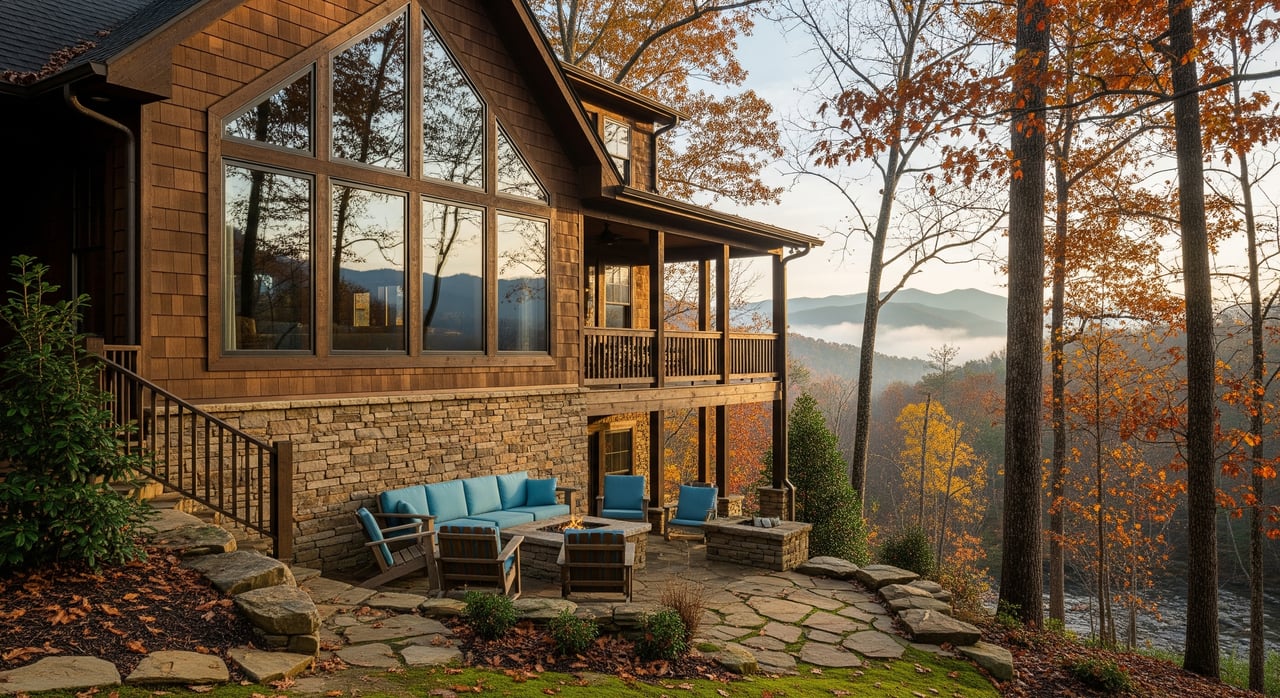
Dreaming about a cozy cabin near downtown Helen or tucked into the trees by Unicoi State Park? Whether you plan to enjoy it yourself or host guests on weekends, the right features make all the difference in comfort, value, and rental appeal. In this guide, you’ll learn exactly what buyers look for in Helen and White County cabins, why certain upgrades matter, and how to weigh location and access. Let’s dive in.
Why Helen cabins stand out
Helen offers a rare mix of alpine-themed charm and year-round outdoor fun. The Chattahoochee River, Unicoi Lake, Anna Ruby Falls, and nearby trail systems draw visitors in every season. That steady demand supports second homes and short-term rentals.
You’re about 1.5 to 2 hours from Atlanta depending on route and traffic, so weekend trips are easy. Buyers often want features that feel like a getaway but still work for families and groups. That means good outdoor living, flexible sleeping setups, and modern systems that keep operating costs reasonable.
Interior features buyers want
Great room and vaulted ceilings
A bright great room with vaulted ceilings and exposed beams sets the mountain-cabin tone. It also helps groups spread out and makes small footprints feel larger. If you’re updating, consider lighting that highlights the ceiling height and woodwork.
Stone fireplace appeal
A stone or masonry fireplace is a top expectation in mountain cabins. Wood-burning or gas both work. The key is a safe, well-maintained unit that becomes the visual heart of the living space.
Sleeping capacity and baths
Cabins that comfortably sleep 6 to 12 do well with group travelers. Multiple bedrooms with ensuite or easy bathroom access add privacy and convenience. If you have a loft, consider built-ins or daybeds that create flexible sleeping space.
Kitchens that work hard
A modern, well-equipped kitchen boosts daily livability and guest reviews. Durable countertops, updated appliances, and island or bar seating score points with buyers. Choose finishes that handle heavy use and clean up easily.
Durable, cabin-appropriate finishes
Rustic wood tones, knotty pine accents, and hardwood or high-quality laminate floors fit the setting and hide wear. Many buyers prefer limited wall-to-wall carpet for easier maintenance. Stick to a simple palette that photographs well for rental listings.
Main-level laundry access
Laundry on the main level or in an easily reached closet is a big plus for long stays. Add shelving and labeled storage to keep supplies organized for guests.
Smart home and Wi‑Fi
Reliable Wi‑Fi is non-negotiable for remote workers and guests. Smart locks for keyless entry, programmable thermostats, and clear digital guides make hosting simpler and safer. These upgrades save time and reduce calls to property managers.
Lofts for flexible use
Loft spaces maximize sleeping or lounge areas without a full add-on. Think daybed with trundle, game nook, or reading corner. Safety rails and code-compliant stairs are essential.
Outdoor living that sells
Big decks and porches
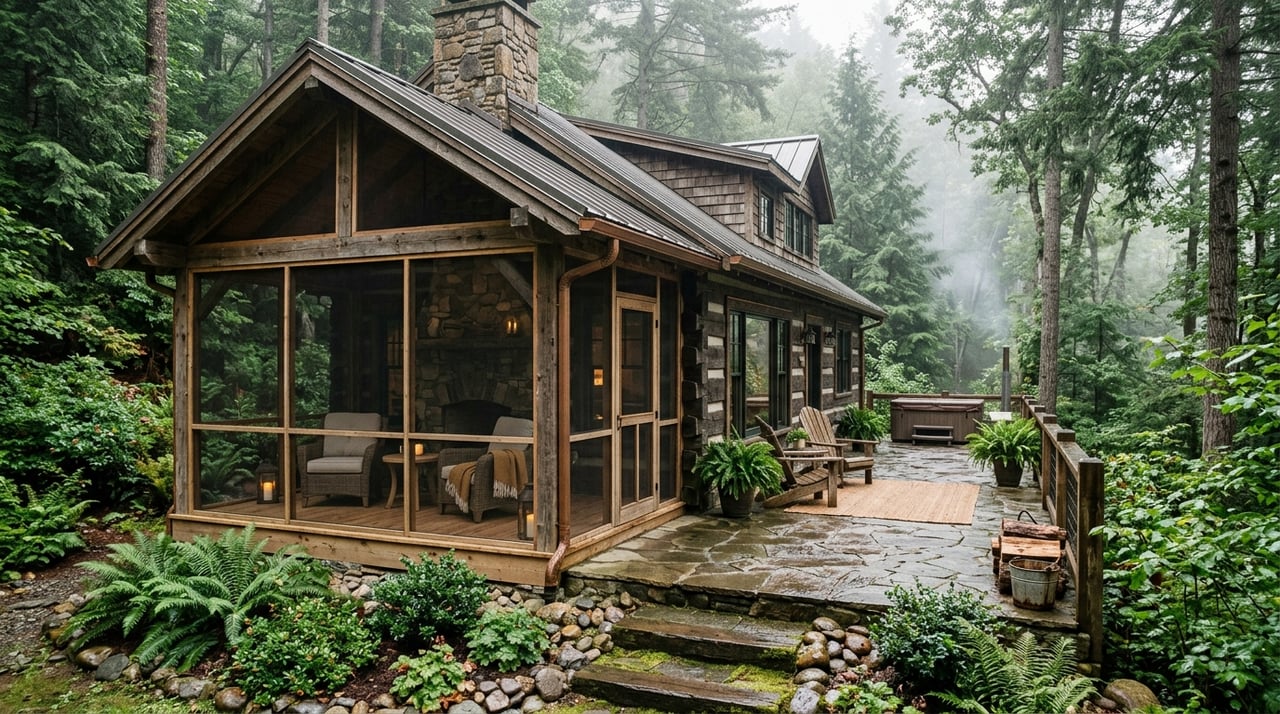
Large decks, screened porches, and covered porches extend living space into the trees. Screened areas help during summer bug season and add a comfortable dining zone. If you have a view, orient seating to frame it.
Hot tubs done right
A hot tub is a high-impact amenity that can lift rental performance. Make sure the structure and electrical service are adequate and that there’s a safe, well-lit path from the door. Privacy screening and simple water-care instructions are smart add-ons.
Fire pits and gathering spots
A simple fire pit or outdoor fireplace creates a memorable focal point. Arrange seating for conversation and add durable, weather-friendly lighting. Clear guidance on safe use and local rules keeps it guest-friendly.
Outdoor kitchens and grills
A quality grill station or compact outdoor kitchen adds value for longer stays. Include a prep surface and storage for tools. Durable finishes and easy-to-clean surfaces matter more than high-end brands.
Landscaping and erosion control
Low-maintenance landscaping fits the forest setting. On sloped sites, use stone steps, retaining walls, and proper drainage to manage runoff. Buyers appreciate visible solutions that protect the home and driveway.
Structure and materials that matter
Roofing built to last
Metal roofing or high-quality shingles perform well with leaves and mountain weather. Buyers like the idea of a longer lifespan and lower upkeep. Regular inspections still matter, especially around chimneys and flashing.
Foundations and steep sites
Many cabins sit on sloped lots that require piers, crawl spaces, or engineered retaining walls. Clear documentation on site work, drainage, and any past repairs builds confidence. If you’re buying, ask your inspector to focus on slope stability.
Log vs. rustic stick‑built
Some buyers want true log construction for authenticity. Others prefer modern stick-built homes with rustic finishes for easier maintenance. If you’re selling a log home, recent staining and pest control records help show good stewardship.
Windows and doors for views
Quality windows and doors improve energy performance and frame views. Larger openings can make compact rooms feel expansive. Check weatherstripping and locking mechanisms to show the property is tight and secure.
Systems and utilities to check
Insulation and HVAC efficiency
Efficient heating and cooling is a major value point. Heat pumps and mini-splits perform well in this climate. Good insulation reduces bills and keeps the cabin comfortable in all seasons.
Backup power considerations
Remote settings can experience brief outages. A generator or battery backup adds peace of mind and can protect rental bookings. If you add one, label circuits and provide a simple how-to.
Septic systems and wells
Many cabins use septic and well systems outside town centers. Buyers want recent inspection records, pump dates, and water quality testing. Make sure capacity aligns with your intended guest count.
Internet and cell service
Signal can vary by ridge and valley. Test at the property and confirm providers before you buy. Strong internet service is now a top search filter for many guests.
Access, driveways, and parking
Driveway grade matters
Level or gently sloped parking near the front door is a big plus. Steep, winding private drives can turn off some buyers and add wear to vehicles. Clear signage and good lighting make a difference for arrivals after dark.
Seasonal access and vehicles
You do not typically need 4WD for day-to-day access in the Helen area. After storms or brief winter events, a 4WD or snow-ready setup can help on steeper drives. Keep gravel graded and drainage cleared to prevent ruts.
Parking for groups
Space for multiple vehicles helps families and rental groups. If you have limited room, mark parking zones and include detailed arrival instructions. A covered spot is a bonus but not common on mountain cabins.
Lot and location choices
Views and privacy trade-offs
Ridge or valley views and wooded privacy are high on buyers’ wish lists. You may trade a few extra minutes to downtown for acreage and quiet. Walk the lot at different times of day to assess sun, shade, and sightlines.
Proximity to attractions
Short drive times to downtown Helen, Unicoi State Park, the river, and trailheads are strong selling points. If rental income matters, note exact mileage and time to key spots in your listing. Convenience helps occupancy.
Topography and buildability
Moderate slopes are easier and cheaper to maintain. Very steep sites often need engineered solutions for driveways, drainage, and retaining walls. Ask for records of permits and inspections on any major site work.
Short‑term rental must‑knows
Rules by city or county
Short‑term rental rules vary between the City of Helen and unincorporated White County. HOA covenants may also limit rentals, guest parking, and exterior standards. Always verify current ordinances, permits, taxes, and occupancy limits before you buy.
Amenities that boost bookings
Top performers tend to offer a central location, hot tub, outdoor space, fireplace, reliable Wi‑Fi, washer and dryer, and parking for multiple vehicles. Pet-friendly policies can expand your audience. Clear house rules and maintenance plans protect your investment.
Operations and support
Keyless entry, labeled parking, and professional cleaning are the baseline. If you live out of the area, local property management can handle guest communication, turnovers, and vendors. Keep a maintenance log and restock checklist to make handoffs easy.
Data and comps
Look at active and recent rentals for amenity cues and pricing ranges. Consider occupancy trends with seasonal events like Oktoberfest and fall foliage. Match your cabin’s features to real demand, not just wish lists.
Financing and insurance basics
Loan types and underwriting
Conventional loans serve most primary and second-home purchases. If the property is strictly for investment, you may need an investment-property loan. Some lenders consider documented rental income, so keep records organized.
Insurance coverage
Ask about coverage tailored to wooded or remote settings. If you plan to rent, look into liability coverage and STR endorsements. If a property is in a mapped flood zone, flood insurance may be required.
Business taxes and HOA rules
If you operate an STR, confirm local lodging tax collection and any business licensing. Review HOA rules for rental limits, parking, and exterior standards. Compliance supports long-term cash flow.
Maintenance planning and inspections
Maintenance to budget for
Log and wood exteriors need periodic staining, pest control, and upkeep around chinking. Plan for septic pumping, water testing, seasonal HVAC service, and roof and gutter care. Driveways may need periodic regrading and drainage work.
Inspection checklist
Ask your inspector to focus on foundation and slope stability, chimney and fireplace condition, roof and flashing, and electrical capacity. Verify septic age, service history, and well performance and water quality. Check grading, downspouts, and signs of erosion around the home.
Quick feature checklist for sellers
- Create a welcoming great room with a clean, safe fireplace.
- Refresh kitchen surfaces and add bar seating if space allows.
- Add or optimize a loft for extra sleeping or lounging.
- Improve Wi‑Fi, install smart locks, and add a digital house guide.
- Build out a usable deck or screened porch with quality lighting.
- Install a hot tub with proper support and safety steps.
- Define a safe fire pit area with seating and gravel or stone surround.
- Tame drainage with stone steps, retaining walls, and clear gutters.
- Label parking and improve nighttime wayfinding.
- Gather records for septic, well, roof, HVAC, and any site work.
Your next step
If you want a cabin that fits your lifestyle and your goals, local guidance is everything. From evaluating slope and septic to choosing features that drive rental income, you deserve clear, practical advice tailored to Helen and White County. When you’re ready to explore listings or prep your place for market, connect with Greg Adams for a calm, confident path forward.
FAQs
Can I use a Helen cabin as a short‑term rental?
- Possibly, but rules vary between the City of Helen and unincorporated White County, and HOAs may have their own limits, so verify current ordinances, permits, taxes, and occupancy rules before you buy.
What utilities are common for cabins near Helen?
- Many cabins use well and septic systems outside town centers, while some closer to town connect to public utilities, so test water, confirm septic capacity, and verify available internet providers at the property.
Do I need 4WD to access most cabins?
- Usually no, but steep private drives and occasional winter weather can make 4WD helpful, so evaluate driveway grade and plan for routine maintenance like grading and drainage.
How much upkeep do log cabins require?
- More than most modern builds, since logs need periodic staining, pest control, and chinking maintenance, so review maintenance records and plan a realistic annual budget.
What inspections are essential for mountain cabins?
- In addition to a full home inspection, prioritize septic and well checks, roof and chimney inspections, foundation and drainage reviews, and HVAC and electrical safety.
How long is the drive from Atlanta to Helen?
- Plan roughly 1.5 to 2 hours depending on route and traffic, and confirm timing from the specific property you’re considering.