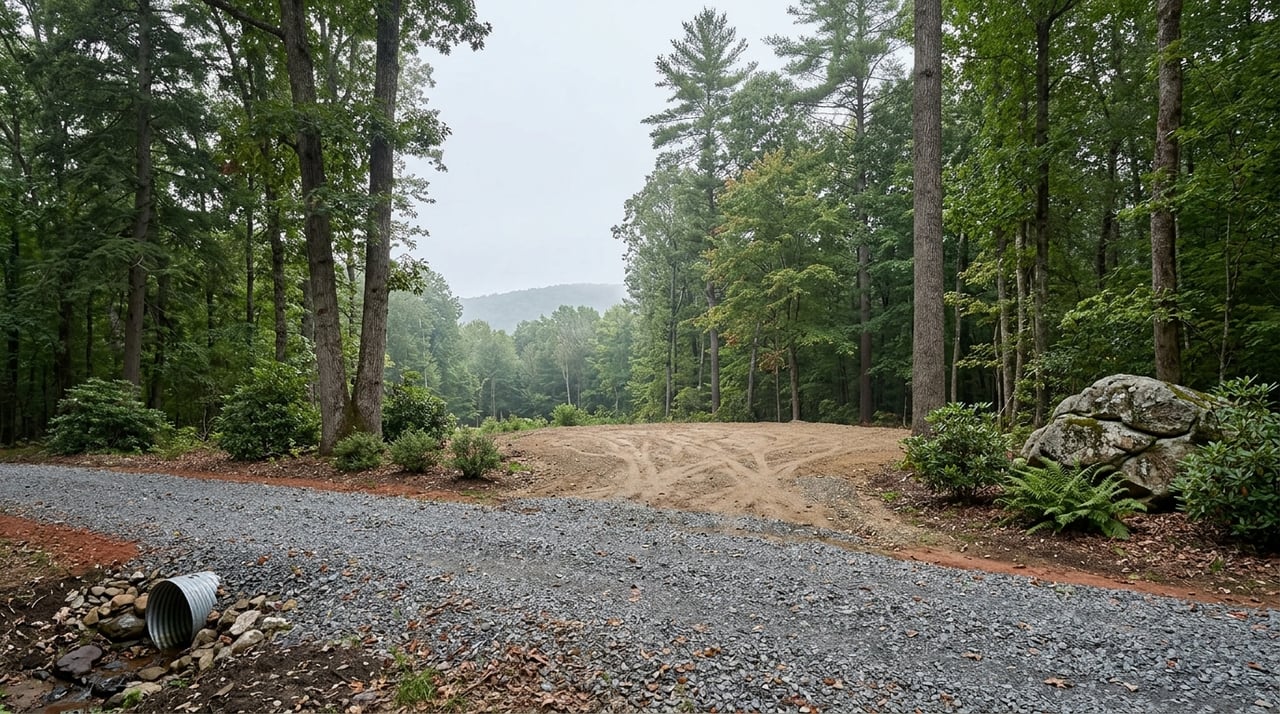
Looking at ridge views or a quiet creek lot around 30582 and wondering what it really takes to build? Buying raw land in the Young Harris area can be rewarding, but the details matter: city versus county rules, septic feasibility, utilities, slope, and access all drive cost and timing. In this guide, you’ll learn exactly who to call, what to verify, and a smart due‑diligence path so you can buy with confidence. Let’s dive in.
City or county: confirm jurisdiction
If a parcel sits inside Young Harris city limits, you will confirm zoning, permitted uses, and any building permits with the city. Start by checking the City of Young Harris website for planning and permit information and to locate the zoning map and forms. City of Young Harris official information is the first stop for in‑city tracts.
For parcels outside the city, Towns County is your primary permitting and taxing authority. The county participates in a joint comprehensive plan with Young Harris and Hiawassee, so the broader growth context is published on the Georgia DCA site. You can review the Towns County plan background on the Georgia DCA comprehensive plans page.
Always verify rules for the specific parcel. Municipal requirements can differ from county ordinances, and that affects setbacks, permitted uses, and minimum lot sizes.
Utilities: what you can get
Water and sewer
Portions of the area are served by municipal water and sewer, while many rural tracts rely on private wells and septic. Towns County Water Authority purchases finished water from the City of Hiawassee, drawn from Lake Chatuge and treated at the regional plant. Before you assume a hookup is possible, confirm if the parcel lies within a service area and what connection fees apply. You can find customer information through the Towns County Water Authority resources.
Septic approval
If the site will use an onsite sewage system, permits and inspections are handled by the Towns County Health Department Environmental Health office. They will advise on soil report requirements and the septic construction permit process. Plan for a certified soil classification and make septic approval a purchase contingency. Start with the Towns County Health Department environmental health page for contacts and steps.
Electricity
Blue Ridge Mountain EMC is the local cooperative that serves Young Harris and most of Towns County. Service availability, line‑extension costs, and easement needs are property specific. Contact BRMEMC early to price any upgrades for your driveway length or building location. Find contact points via BRMEMC’s service information.
Internet and phone
Mountain broadband is highly address specific. Some areas have fiber through BRMEMC or regional providers, while other spots rely on cellular home internet or satellite. Compare options and installation costs with an address lookup using a local provider aggregator such as InMyArea’s Young Harris coverage page.
Heating, waste, and other services
Natural gas is not typical in this region, so most owners plan on propane or electric heat. Ask early about waste hauling, septic pump‑out scheduling, and who maintains private roads, especially for seasonal access.
Mountain site constraints to evaluate
Slope and access
Many Blue Ridge parcels include steep sections, shallow soils, or limited buildable benches. That can increase grading, foundation, and driveway costs and may require engineered designs. Walk the property, study topographic maps, and consider a geotechnical consult if the homesite is not obvious.
Soils and well feasibility
Soil type and depth to rock drive septic system design and cost. Georgia’s onsite sewage rules require permitting and typically a certified soil report for new systems. Plan your timeline around this step. If no municipal water is available, confirm well drilling access and consider water‑quality testing for existing wells. State requirements for onsite systems are summarized in Georgia’s onsite sewage rule 511‑3‑1, and local contacts are on the Towns County Health Department page listed above.
Floodplain and streams
Some creek or lakeside tracts fall within FEMA‑mapped flood zones or include regulated stream buffers and wetlands. Do not assume lakeside or creekside lots are buildable without additional permits. Check the FEMA Flood Map Service Center for the exact parcel and consider a wetlands delineation on low or wet ground.
Easements and protected lands
Large portions of Towns County are near or adjacent to National Forest, and many private tracts include recorded utility or access easements. Order a survey, read the deed carefully, and confirm road maintenance terms for private roads or shared driveways.
Permits and rules to expect
Onsite sewage permits
A construction permit from the County Board of Health is required before installing a septic system. Expect to provide a certified soil classification and system design consistent with separation distances and tank sizing set by Georgia Rule 511‑3‑1. Do not clear or build until this permit is in hand.
Water and sewer connections
State rules require connection to public sewer when it is available within a specified distance of the property line in many cases. Confirm actual connection requirements and fees with the water and sewer authority that serves your address.
Building permits and inspections
Inside Young Harris city limits, the city manages planning and permitting. For unincorporated parcels, check with Towns County to confirm whether the county requires building permits or inspections. Use the City of Young Harris site for in‑city parcels.
Erosion and land‑disturbing permits
Projects that disturb 1 acre or more generally need an erosion and sediment control plan and coverage under state construction stormwater rules. Local jurisdictions also issue Land Disturbing Activity permits. Budget for silt fencing, slope controls, and possible bonds. See guidance in the Manual for Erosion and Sediment Control in Georgia.
Driveway and road access
New driveways that intersect county or state roads usually require a permit. On private roads, make sure there is a recorded access easement and a maintenance agreement that covers grading and repairs.
Short‑term rental checks
If you plan to build cabins for short‑term rental, verify city or county business licensing, transient occupancy tax, and health department rules for tourist accommodations. The Towns County Health Department lists tourist accommodations under environmental health services.
What works well here
- Cabins and second homes. Common and feasible if you plan for driveway grading on slopes, septic feasibility, and either a well or a municipal water tap. Use state septic rules as your design baseline and build extra time into your schedule.
- Small hobby farms and pasture. Practical on flatter ground with deeper soils. Flat benches are limited near ridge lines, so verify soils and plan for erosion controls and fencing. Discuss any agricultural classifications with the county tax assessor at the Towns County Tax site.
- Hold or land‑bank. If you plan to hold acreage undeveloped, verify timber rights, conservation easements, road access, and current tax status.
- Subdividing or multiple units. Local zoning, minimum lot sizes, and erosion permitting requirements will guide what is possible. The Towns County comprehensive planning materials provide helpful context for growth policy.
Due‑diligence checklist for 30582 buyers
Confirm jurisdiction and zoning. Ask City Hall for in‑city parcels and Towns County for others. Request a zoning verification letter and the current use category.
Review tax and title basics. Pull parcel data, assessed value, and tax history through the Towns County Tax site. Obtain a preliminary title commitment to uncover liens, covenants, or easements.
Order a boundary survey. Have the surveyor locate easements, rights‑of‑way, and any encroachments. Verify legal access to a public road.
Walk the site and review topo. Flag potential homesites, driveway paths, and any steep or wet areas. Consider a geotechnical opinion for steep slopes or shallow rock.
Make septic a contingency. Commission a certified soil report and apply to the Towns County Health Department for a septic construction permit. Do not proceed without permit approval.
Verify water source. Confirm public water availability and connection fees or plan for a well. For existing wells, request the driller’s log and test water quality.
Price power and internet. Contact BRMEMC for service availability and line‑extension estimates. Check address‑level broadband options and installation costs.
Check floodplain and streams. Use FEMA maps to review zone designations and consider a wetlands delineation if the site has low or saturated ground.
Plan erosion controls. If you will disturb 1 acre or more, budget for engineered erosion plans and any state or local permits.
Confirm driveway permits. If the access meets a county or state road, plan for a driveway or curb‑cut permit. On private roads, verify recorded maintenance language.
Review short‑term rental requirements. If rentals are planned, confirm licensing, taxes, and health department rules for tourist accommodations.
Build the right team. Engage a real estate attorney, licensed surveyor, certified soil classifier, well driller, and a contractor experienced in mountain construction.
Smart offer strategy
- Make feasibility explicit. Include contingencies for septic permit approval, utility availability, and survey review. This protects your deposit while you verify the big-ticket items.
- Request key documents with your offer. Ask for any prior surveys, soil reports, well logs, and utility correspondence so you can shorten the verification cycle.
- Budget for mountain factors. Mountain parcels often cost less per acre but more per buildable square foot due to grading, foundation, erosion controls, and utility extensions. Planning for these items up front helps you compare properties fairly.
A quick case example: a buyer assumes a future cabin site has public water, then learns the tract is outside the service area. That shift adds a well and septic system to the budget and changes the build timeline. Early calls to the water authority and health department would have flagged it before going under contract.
Ready to explore acreage with a local guide who knows North Georgia’s lakes and ridgelines? Reach out to Greg Adams for property picks, due‑diligence coaching, and introductions to trusted local pros.
FAQs
What should I check first when buying land near Young Harris?
- Start by confirming whether the parcel sits inside Young Harris city limits or in unincorporated Towns County, then verify zoning and permitted uses with the correct office.
How do I confirm water or sewer availability for a 30582 parcel?
- Contact the local water and sewer authority serving your address to confirm service areas and fees, and do not assume a tap is available without written confirmation.
Who approves septic systems for land in Towns County?
- The Towns County Health Department Environmental Health office issues onsite sewage permits under Georgia Rule 511‑3‑1 and will outline soil report and plan requirements.
Do I need an erosion permit to clear or grade acreage in 30582?
- Projects that disturb 1 acre or more typically require an erosion and sediment control plan and state or local permit coverage, so budget for BMPs and engineering if your site is large.
Can I build short‑term rental cabins on land around Young Harris?
- It depends on zoning and local licensing and tax rules, so verify city or county requirements and check health department guidance for tourist accommodations before you buy.