Thinking about buying an investment property in Dahlonega from out of town? You are not alone. This North Georgia mountain market draws buyers who want a property that fits both a lifestyle goal and an income strategy, but the details can get tricky fast if you do not know the area. In this guide, you will learn what drives demand, which property types tend to fit the market, and what local rules you need to verify before you buy. Let’s dive in.
Why Dahlonega Gets Investor Attention
Dahlonega has a very specific kind of appeal. It is known for its Gold Rush history, mountain setting, downtown character, wineries, waterfalls, and year-round events. About one-third of Lumpkin County lies in the Chattahoochee National Forest, and the area is shaped by access to hiking, biking, horseback riding, rivers, waterfalls, and the Appalachian Trail.
For you as an out-of-area buyer, that matters because it points to a tourism- and recreation-supported market. Demand here is not driven only by daily commuters or long-term local housing needs. It is also influenced by visitors looking for weekend stays, seasonal trips, and outdoor-focused getaways.
The local event calendar adds another layer. Dahlonega hosts the Arts & Wine Festival in May and Gold Rush Days in October, and the area is known for wine festivals and annual events that draw thousands of visitors. That pattern can create stronger demand around festival weekends, fall color season, and popular holiday travel dates.
The University of North Georgia’s Dahlonega Campus also contributes to local activity. UNG describes the Dahlonega campus as a residential campus with a Corps of Cadets base and more than 100 campus clubs. That can support visitor demand tied to campus events, family visits, and university-related travel.
Property Types That Fit Dahlonega
In-town homes near the Square
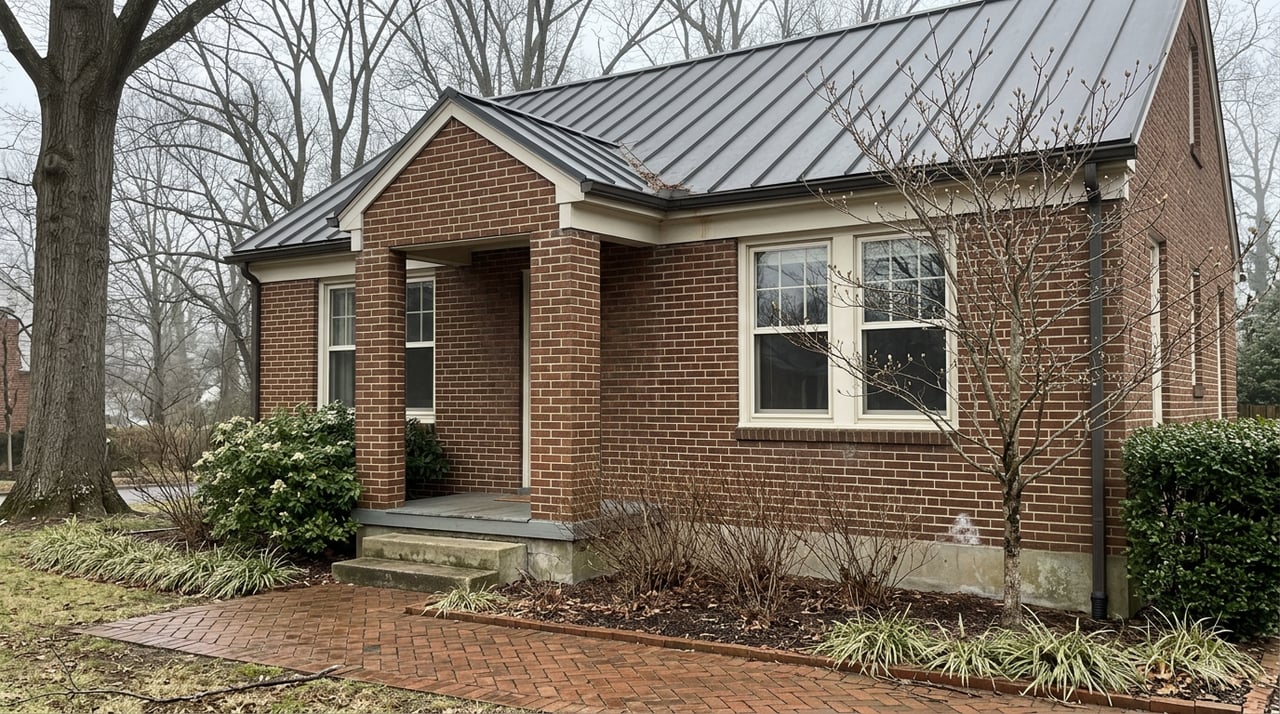
Properties near downtown Dahlonega can appeal to guests who want easy access to restaurants, festivals, and historic attractions. If your investment strategy leans toward walkable convenience and event-driven stays, an in-town home may be worth a close look.
That said, location in the city can come with extra review steps. The Historic Preservation Commission notes that the historic district includes properties in the B-3 Historical Business and CBD Central Business districts, and exterior changes may require a Certificate of Appropriateness. If you are planning updates, that can affect timing, design choices, signage, and renovation scope.
Cabins and vacation rentals
The local lodging mix tells you a lot about what visitors already expect in Dahlonega. Official categories promoted by the visitors bureau include cabins and vacation rentals, bed-and-breakfasts, hotels and motels, resorts and retreat centers, and tree houses.
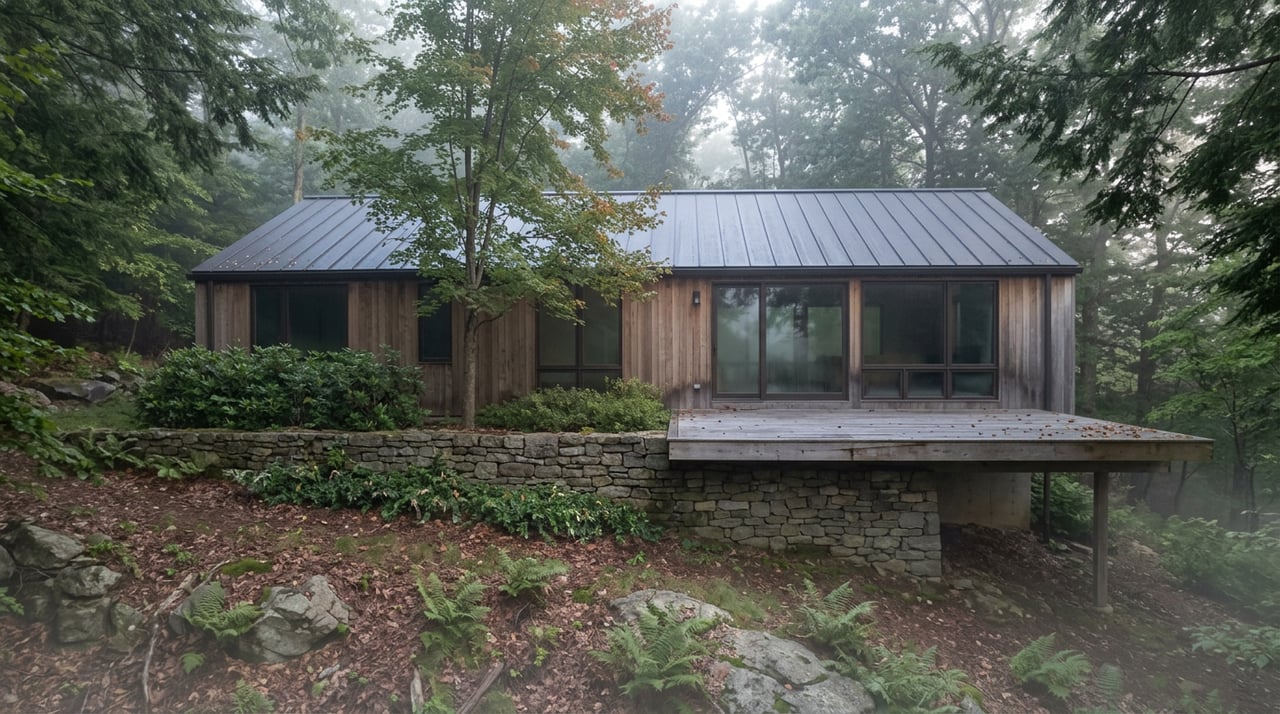
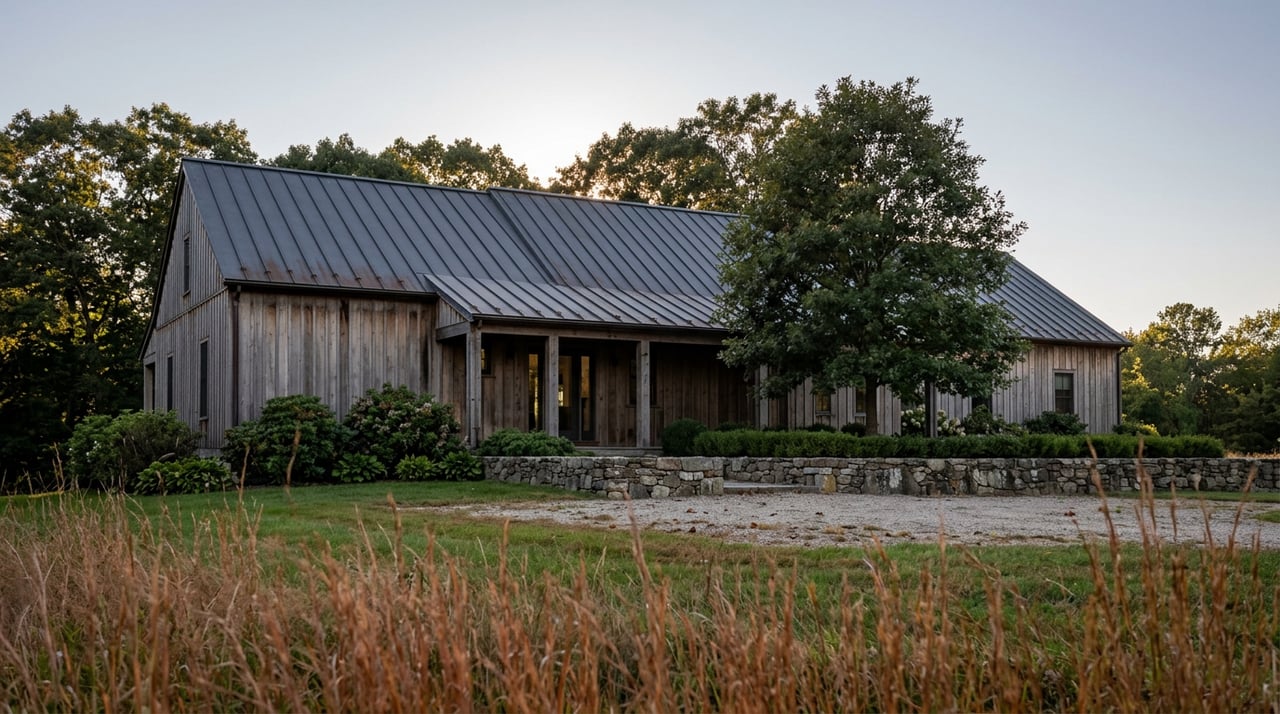
For investors, that suggests a market already oriented toward experience-based stays. Cabin-style properties, especially those that offer privacy or a mountain setting, often align well with the area’s tourism brand.
Small acreage and retreat properties
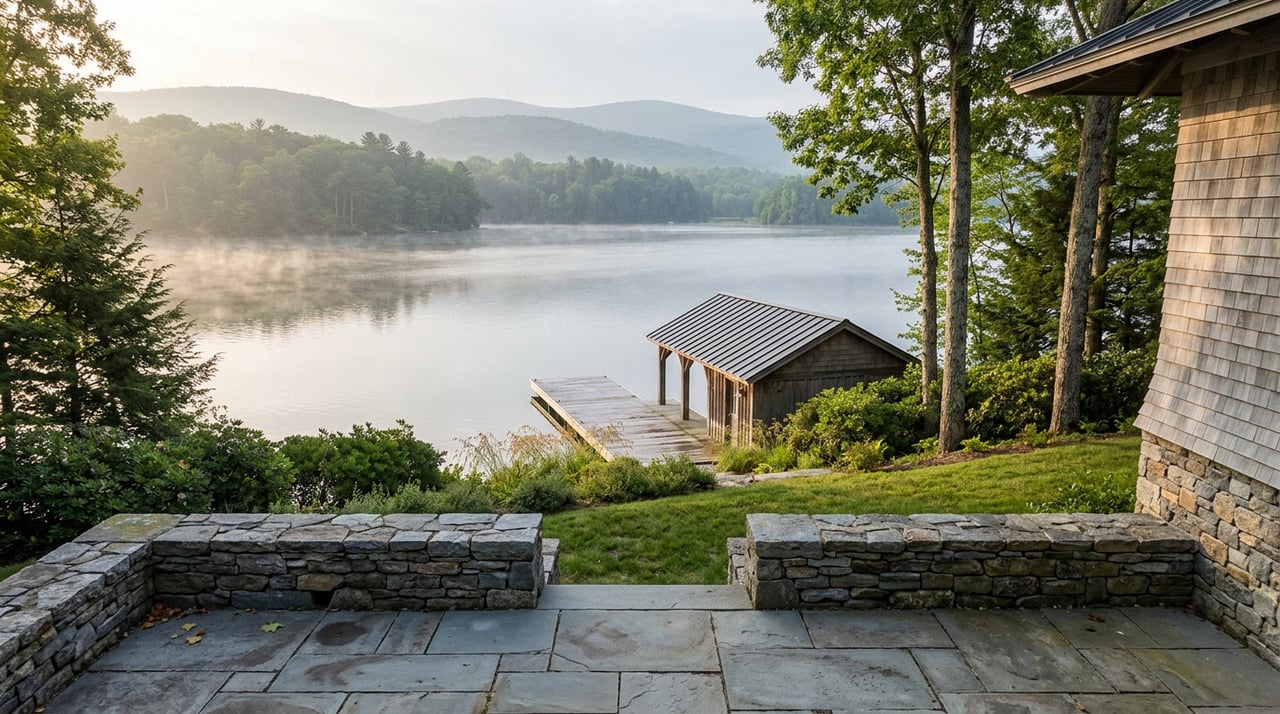
Small acreage can also make sense if you want a privacy-focused cabin, second home, or recreation-oriented rental. Dahlonega’s draw is closely tied to outdoor access, so land with a wooded setting or a retreat feel may fit what many visitors are looking for.
These properties usually require more due diligence. You will want to confirm access, driveway conditions, utility service, and septic feasibility early in the process. Remote charm can be a selling point, but it can also come with more moving parts.
City vs. County Matters
One of the biggest mistakes out-of-area buyers can make is assuming the same rules apply everywhere in Dahlonega. Before you underwrite income, renovation costs, or timelines, you need to know whether a property is inside the City of Dahlonega or in unincorporated Lumpkin County.
That single detail can affect short-term rental rules, permits, licensing, and lodging taxes. It can also shape your renovation process if the property is within the historic district.
A property that looks great on paper may operate very differently depending on jurisdiction. That is why local verification should happen before closing, not after.
Short-Term Rental Rules to Verify Early
Lumpkin County requirements
Lumpkin County requires an approved Land Use Permit before a Business and Short-Term Rental License is issued. The county lists a $175 Business and Short-Term Rental License fee, plus $100 for each additional short-term rental license. Licenses must be renewed by December 31 each year.
The county also states that the hotel-motel tax increased from 5% to 8% for occupancy on or after August 1, 2023. Payments are due by the 20th of each month. If a platform like Airbnb or VRBO handles the booking, that platform remits local and state hotel-motel taxes, but if you market or collect directly, you are responsible for those payments.
City of Dahlonega requirements
Inside the City of Dahlonega, short-term rentals are governed by local rules as well. The city’s ordinance index includes Article VIII on short-term rentals, and the city’s accommodation excise tax return shows an 8% tax due on taxable rentals.
That city tax is filed monthly and due by the 20th, and the city requires a copy of the state ST-3 report with the filing. If you are comparing one property in city limits and another in the county, those operational details should be part of your analysis.
Why this changes your numbers
For out-of-area buyers, it is easy to focus on purchase price and projected nightly rate. But local licensing, tax collection, renewal deadlines, and use rules can all affect net income and day-to-day management.
The better approach is to treat compliance as part of the investment model. If the property cannot legally support your intended use, the rest of the numbers do not matter.
Property Taxes and Holding Costs
Georgia property tax is based on 40% of fair market value unless a special law applies. Lumpkin County states that property values are based on the property’s status as of January 1 each year.
The county also says real estate taxes are generally due by December 1. Returns are filed from January 1 through April 1, and appeals from an assessment notice are generally due within 45 days.
If you are buying an investment property, do not assume you will qualify for a homestead exemption. That exemption is tied to a primary residence, so it usually does not apply to an investment property.
Due Diligence for Remote Buyers
When you are buying from outside the area, a good due diligence plan is essential. In Dahlonega, that starts with confirming the property’s jurisdiction, allowed use, and physical setup.
Lumpkin County’s planning resources point buyers to building permits, septic permits, business licenses, short-term rental permitting, maps and data, and property records. For you, that is a strong reminder that local details need to be checked one by one.
Questions to answer before closing
- Is the property inside Dahlonega city limits or in unincorporated Lumpkin County?
- Is short-term rental use allowed by zoning and any recorded covenants?
- Does the property need a land use permit, short-term rental license, or historic review?
- Will planned exterior work require approval in a historic area?
- Does the property use public water, a private system, or another utility setup?
- Is septic approval needed, and is the existing system adequate for intended use?
- Are road access and driveway conditions workable year-round?
- Will building permits or site improvements be straightforward if updates are needed?
Why cabins and acreage need extra scrutiny
Cabins and rural parcels often look great online, especially to buyers shopping from Atlanta or another metro area. But mountain properties can have practical issues that are harder to spot from listing photos.
Access, slope, septic, water source, and utility service all deserve close review. A property with a strong view or private feel may still need careful inspection and local verification before it becomes a smart investment.
A Smart Way to View the Dahlonega Market
If you are buying in Dahlonega from out of area, it helps to think of the market in two parts. First, there is the demand story: tourism, outdoor recreation, festivals, wine-related travel, fall color, and university activity. Second, there is the operations story: city or county rules, taxes, permits, and property-specific infrastructure.
When those two sides line up, a property can be a strong fit for your goals. When they do not, even a beautiful cabin or charming in-town home can turn into a tougher investment than expected.
That is where local guidance makes a real difference. If you want help narrowing down the right type of Dahlonega investment property, verifying the local details, and making a confident remote purchase, connect with Greg Adams. Go with Greg!
FAQs
What makes Dahlonega appealing for investment property buyers?
- Dahlonega attracts interest because of its tourism appeal, mountain setting, wineries, waterfalls, historic downtown, annual events, outdoor recreation access, and activity tied to the University of North Georgia.
What property types fit the Dahlonega investment market best?
- In-town homes near the Square, cabins and vacation rentals, and small acreage or retreat-style properties often fit the area’s visitor-driven and recreation-focused demand.
What should out-of-area buyers verify about Dahlonega short-term rentals?
- You should confirm whether the property is in the City of Dahlonega or unincorporated Lumpkin County, whether short-term rentals are allowed, and what permits, licenses, and taxes apply in that jurisdiction.
What are Lumpkin County short-term rental license costs?
- Lumpkin County requires an approved Land Use Permit before issuing a Business and Short-Term Rental License, charges $175 for the license, and charges $100 for each additional short-term rental license.
What lodging taxes apply to a Dahlonega investment property?
- Lumpkin County lists an 8% hotel-motel tax for occupancy on or after August 1, 2023, and the City of Dahlonega’s accommodation excise tax return shows an 8% tax on taxable rentals, with monthly filings due by the 20th.
Do investment properties in Lumpkin County get a homestead exemption?
- Homestead exemption is generally tied to a primary residence, so it usually does not apply to an investment property.
Why do Dahlonega cabins and acreage need more due diligence?
- These properties often require closer review of septic feasibility, water source, utility service, driveway conditions, road access, and permitting before you buy.
Can historic district rules affect a Dahlonega investment property?
- Yes. If the property is in the city’s historic district, exterior changes may be subject to Historic Preservation Commission review and may require a Certificate of Appropriateness.