Are you torn between a walk-to-everything lifestyle and wide-open mountain living? In Clayton, Georgia, nestled in Rabun County, you truly can have either. You might love coffee runs and gallery nights on Main Street, or you might crave acreage, starry skies, and a quiet porch with long-range views. In this guide, you will compare downtown Clayton living with country and lake-area homes so you can choose the fit that matches how you want to live. Let’s dive in.
Downtown Clayton lifestyle
Picture a Saturday where you stroll down Main Street, pop into local galleries, and linger over lunch on a sunny patio. Community events bring neighbors together, and restaurants, shops, and cafés are just steps away. If you enjoy an easy day on foot with plenty to do, downtown is tough to beat.
You will find a small, walkable core with boutique shops, art spots, and seasonal happenings. The local merchants and events calendar showcase the vibe of town life. Explore what is happening now on the Visit Clayton activities page.
Who it suits
- You value walkability and a lively Main Street.
- You want quick access to dining, coffee, and shops.
- You like being close to community events and services.
Home types in town
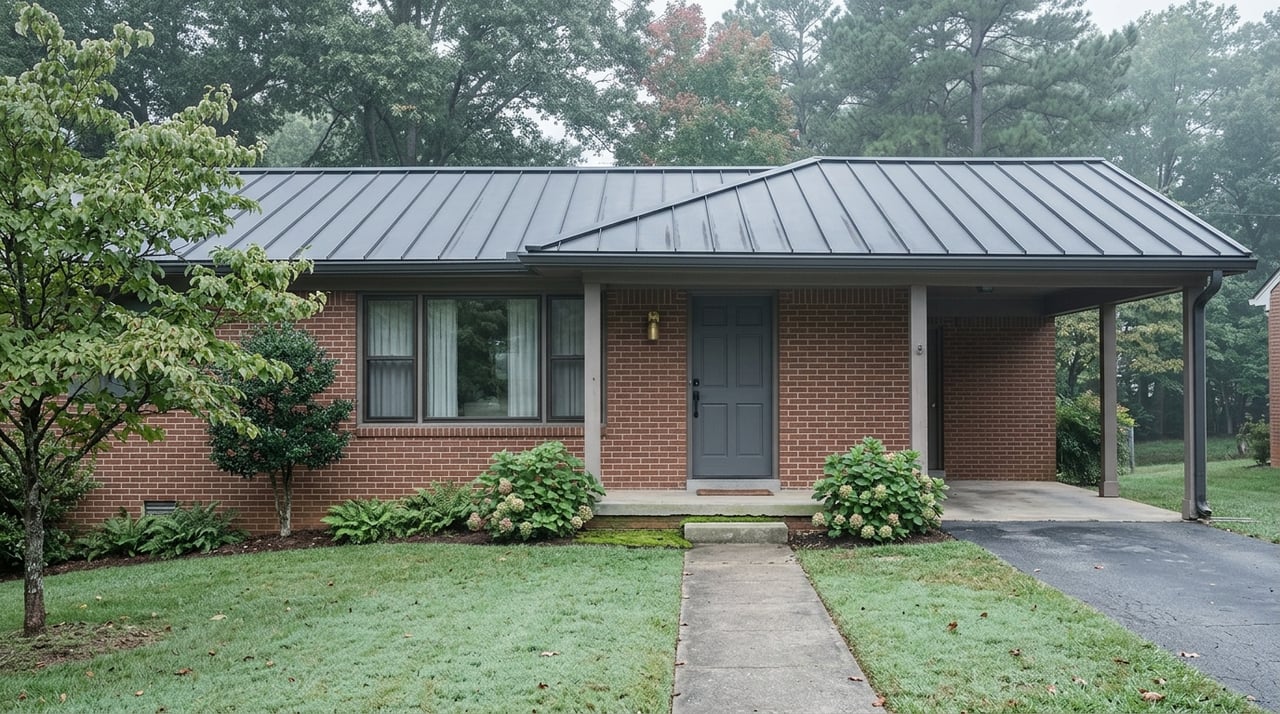
- Historic cottages and renovated bungalows close to Main Street.
- Small-lot homes and selective infill builds.
- A few townhome or condo-style options.
- Properties that may appeal to short-term rental guests due to visitor demand.
Country and acreage living
Now imagine a long weekend where you hike at sunrise, cast a line on a mountain lake, and relax under a blanket of stars. Outside the town center, you will find privacy, room to spread out, and easy access to North Georgia’s signature outdoor playground.
Rabun County surrounds you with scenic assets like Black Rock Mountain State Park, Tallulah Gorge, and the Chattooga River, plus lake time at Lake Burton and Lake Rabun. Browse park highlights across the state system at Georgia State Parks.
Who it suits
- You want space, privacy, and a quieter pace.
- You plan to garden, keep outdoor toys, or host big family weekends.
- You prioritize views, trails, and water access over in-town convenience.
Home types outside town
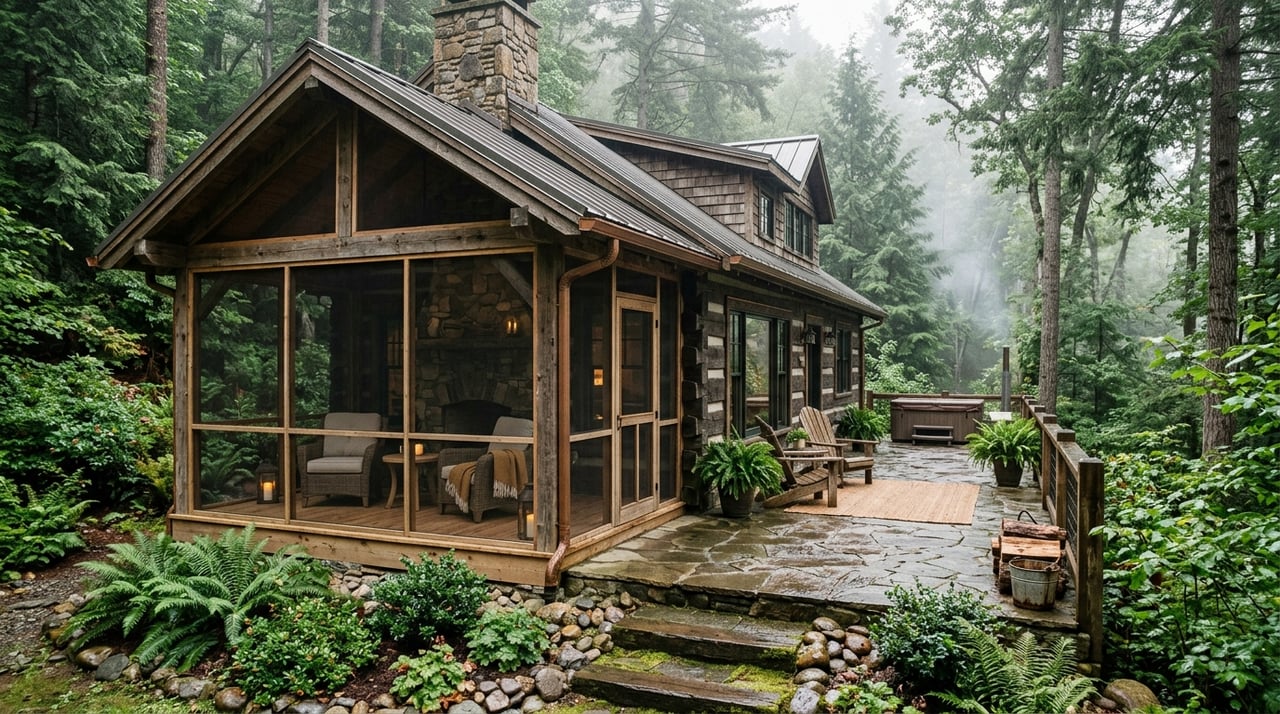
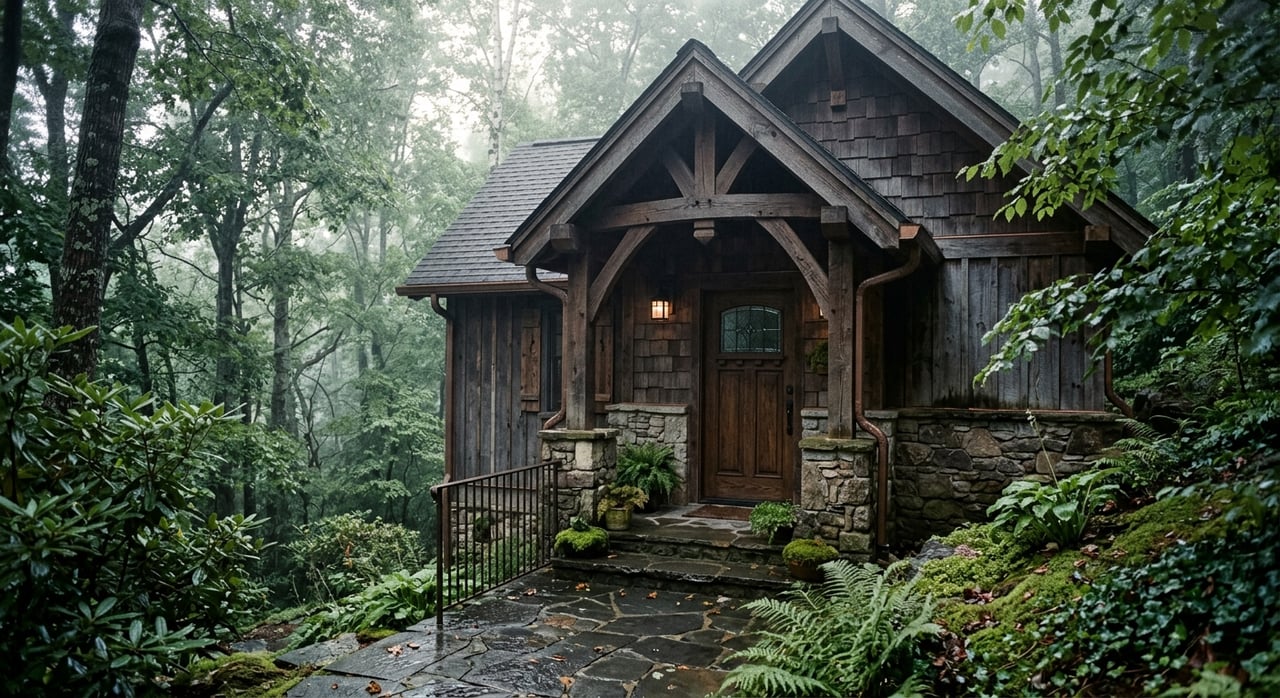
- Cabins, log homes, and contemporary mountain houses.
- Lakefront homes on Lake Burton and Lake Rabun.
- Gated mountain enclaves and golf club communities.
- Raw land and acreage parcels for a custom build.
Practical tradeoffs to compare
Services and utilities
- In town: Many properties connect to municipal water and sewer.
- Country: Expect private wells and on-site septic on most parcels. Before you build, you typically need a soil evaluation and permits through local environmental health. Learn more about Georgia’s on-site sewage and well permitting under the state health district’s environmental health guidance. A Level 3 soil report is a smart step for rural builds.
Internet and cell coverage
Coverage varies by road and ridge. Some areas have fiber, cable, or DSL, while remote parcels may rely on fixed wireless or satellite. Always verify at the exact address using provider availability tools. For a county-level snapshot of options, see this Rabun County ISP overview.
Access and drive times
Clayton offers a mountain-town feel but remains driveable from major hubs. Atlanta is roughly 100 to 110 miles by road, depending on route and traffic. For a planning estimate, check the Clayton to Atlanta driving distance. For medical needs, local clinics serve Rabun County, and larger regional hospitals are within driving distance. See the Georgia Department of Public Health’s facility list for regional resources.
Schools and bus routes
Downtown and rural addresses are served by the Rabun County School District. Travel times and bus routes vary by address, especially for remote homes. Review district information at Rabun County Schools.
Property taxes and exemptions
Rabun County manages homestead exemptions, due dates, and any special programs like conservation use. Millage rates and rules can change, so confirm details on the county’s FAQ page.
Roads, slopes, and maintenance
Country parcels often include long gravel driveways and private roads. Budget for grading, culverts, and seasonal upkeep. Steeper or wooded sites may involve debris clearing, erosion control, and careful siting.
Environmental and insurance checks
Rural tracts can include stream buffers, steep slopes, or conservation easements that affect where you can build. Title checks and a quick call with county planning help you avoid surprises. Insurance needs can differ for rural or waterfront homes, so request quotes early, particularly for flood or wildfire coverage.
What homes cost right now
To frame the market, county-level benchmarks show typical values in the high 300s. Recent snapshots of the Zillow Home Value Index for Rabun County place the typical home value around 388,700 dollars, with month-to-month variation. Use this only as context since submarkets differ widely.
- Downtown Clayton entry points: You will often see smaller cottages and in-town homes start in the low to mid 200s and range into the 400s, influenced by proximity to Main Street and the level of renovation.
- Country, lake, and gated communities: Many properties list above the county median, with lakefront and view homes commonly 500,000 to 2 million plus, depending on waterfront, views, and amenities.
Prices shift with season, inventory, and property features, so plan on reviewing current MLS comps before you make a move.
Quick chooser checklist
Choose downtown if you want
- Walkable access to shops, cafés, and events.
- Lower-maintenance small-lot living.
- Municipal water and sewer more often than not.
- A simple, social lifestyle with fewer car trips.
Choose country living if you want
- Acreage for privacy, gardens, or hobbies.
- Direct access to trails, water, and views.
- Flexibility to build or expand over time.
- A quieter setting where night skies shine.
How to explore both options
Step 1: Spend a day downtown
Stroll Main Street, tour galleries, and try a local café. Check the Visit Clayton calendar for markets or festivals while you are in town.
Step 2: Drive the backroads
Tour a few rural corridors, including lake areas and state park access points. Note travel times to schools, medical services, and groceries. Walk the land if you can to feel the topography, shade, and privacy.
Step 3: Verify the specifics
For any home or parcel on your list, confirm water and sewer or plan for well and septic. Check internet options at the address and request early insurance quotes. If you are building, speak with environmental health about soil testing and permits using the state’s environmental health guidance.
Ready to compare in person and line up real comps for your price range? Reach out to Greg Adams for local guidance, property tours, and data-backed advice. Go with Greg!
FAQs
What makes downtown Clayton walkable for daily living?
- Main Street concentrates galleries, shops, cafés, and seasonal events in a compact core, so you can run errands and dine without frequent car trips. See the Visit Clayton activities page for examples.
Will a rural Rabun County home need a well and septic?
- Most country parcels rely on private wells and on-site septic. Expect a soil evaluation and county permits before building, guided by state environmental health standards.
How far is Clayton from Atlanta and other hubs?
- Plan on roughly 100 to 110 miles to Atlanta by road, with drive time based on route and traffic. Check the Clayton to Atlanta distance for a quick estimate.
Is internet reliable for remote work in rural Rabun County?
- It depends on the address. Some pockets have fiber or cable, while others use fixed wireless or satellite. Start with a street-level check and this county ISP overview.
Do Rabun County schools serve both downtown and country homes?
- Yes. The Rabun County School District serves addresses across the county. Bus routes and travel times vary by location. See Rabun County Schools for district info.
What permitting steps come with building on acreage?
- Before installing septic, you typically need a certified soil evaluation and permits through environmental health. Review Georgia’s on-site sewage guidance at the state environmental health page, and confirm county procedures in advance.